

Perfumes
Filters
Our perfumes are memory capsules that can transport us through time. Thanks to them, we remember the first summer walk among blooming trees, a friend's smile in the school hallway, or the thrill of meeting a loved one. Every aroma captured in a bottle is a story: about emotions, moments, and ourselves. That is why perfume is our little secret that accompanies us from morning until our nightly dreams.
List of products
What sets Söppö perfumes apart - why choose them?
At Söppö, we believe that perfume is more than just a scent. We create them with passion, supported by knowledge in biotechnology, psychology, and the art of perfumery. Our fragrance compositions are inspired by the whole world and everything around us - nature, travel, memories - and they combine scientific precision with nostalgic tenderness.
Our perfumes are vegan and cruelty-free, because beauty does not require cruelty. By choosing Söppö, you reach for a fragrance that combines tenderness towards nature and animals with care for your emotions and sensitivity. Our products are created responsibly, with attention to every detail.
In a world where many brands mainly offer eau de parfum or eau de toilette, Söppö goes a step further. We create perfume extracts. Formulas with the highest fragrance concentration that envelop you longer, more intensely, and more deeply than eau de parfum. It is thanks to them that every moment smells stronger and stays in your memory for longer.
We do not blindly follow trends or copy others' ideas. All our perfumes are original and unique. You will not find inspirations, imitations, or duplicates of famous brands here. It is not Chanel, Gucci, or Jean Paul Gaultier - it is Söppö. We want to create our own perfumes that will eventually become recognizable worldwide.
Subtle or full of character, simple or complex, always unique. Here you will find your unique, personal olfactory signature, the so-called signature scent, which will become part of your story. We want the scents we create to be your personal signature, impossible to counterfeit. We don't want your perfume to smell like everyone else's. Because you shouldn't smell like everyone else. You should smell like You.
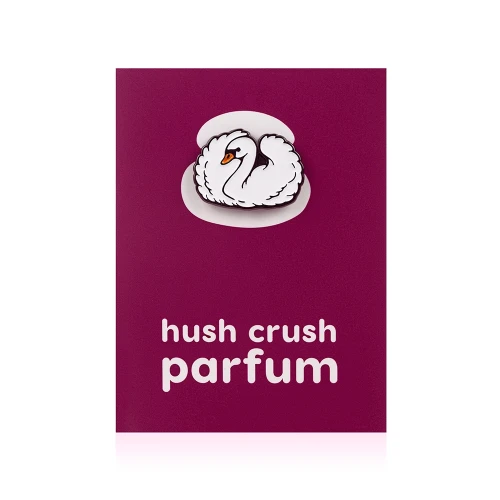
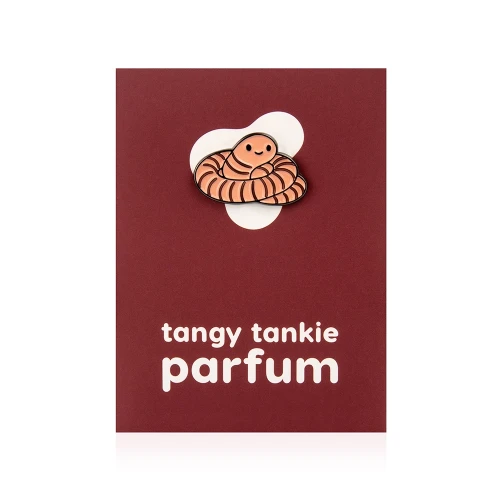
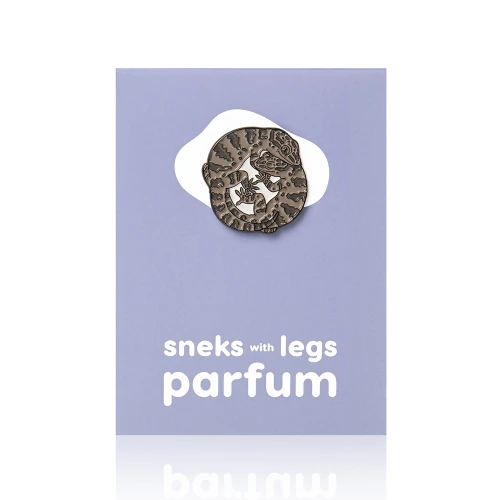
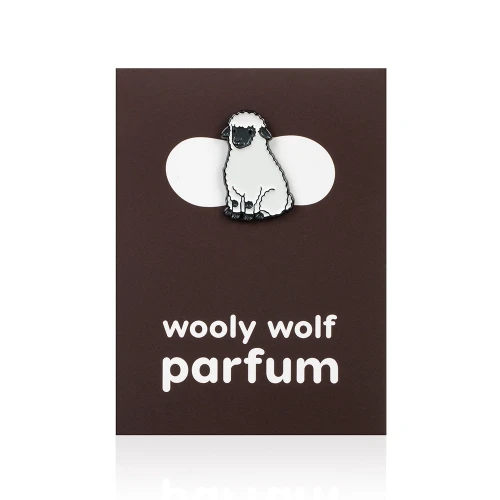
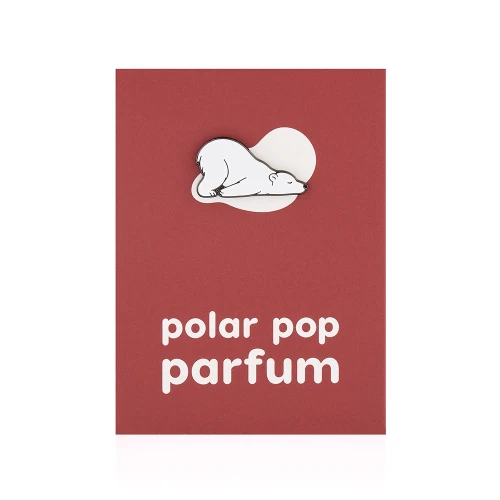
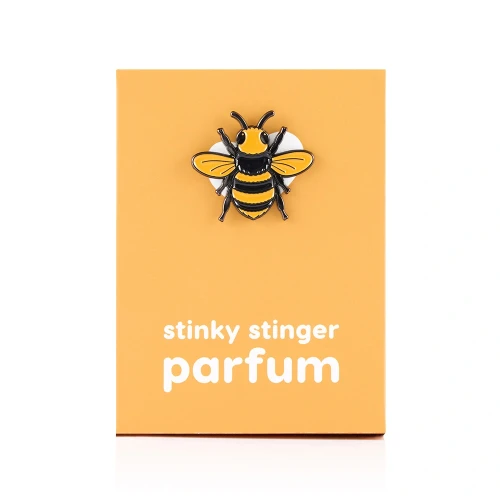
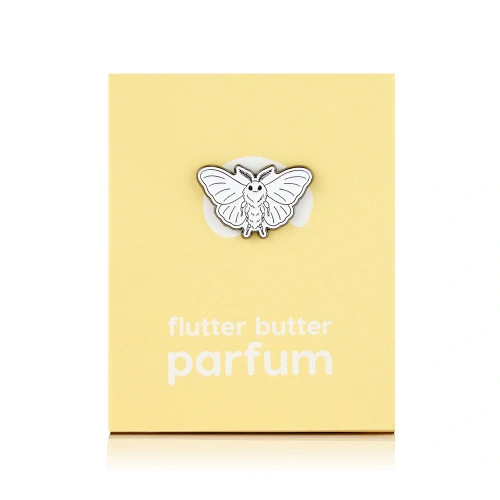
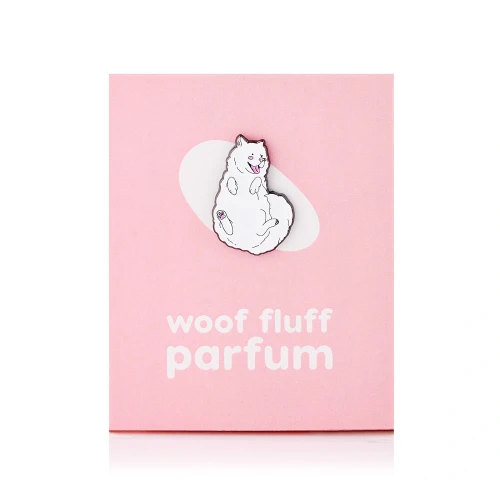
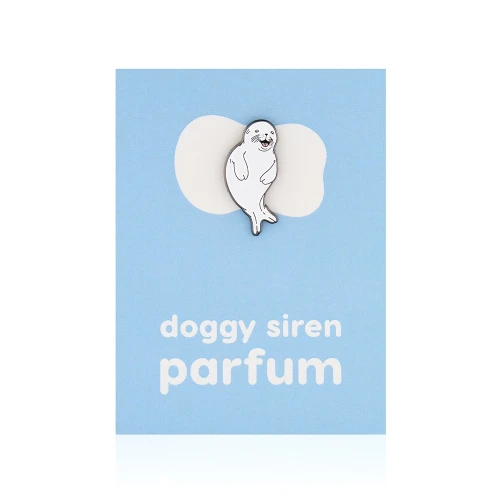
Every Söppö bottle hides a small detail that makes it even more special. A metal pin with a cute animal. A collectible item that you can pin to your jacket, bag, or makeup bag. It's our way of making the magic of the scent stay with you even longer.
Women's, men's, or unisex - what are Söppö perfumes like?
We create two worlds of fragrance: monoperfumes and full-fledged fragrance compositions. On our website, you will find divisions into women's and men's perfumes to make your search easier. However, we believe that perfumes have no gender - they have their own character, energy, and emotions.
If you love jasmine or sandalwood, just wear it. Delicate flowers, fresh citrus, deeper amber accords - all can sound beautiful on different skin.
Treat labels as a hint, not a rule. You don't have to succumb to stereotypes. The most important thing is how the scent connects with your story.
Perfume concentration - what is the difference between eau de toilette, eau de parfum, and cologne?
The world of fragrances has its levels of intensity and longevity, and the differences result primarily from the concentration of aromatic oils in the formula. Concentration is one of the decisive factors in how long the perfume will stay on the skin.
-
Fragrance mist - approx. 1% - the gentlest among all fragrance types
-
Cologne (Eau de Cologne, EdC) - approx. 2-5% oils - ideal for a quick refresh, but naturally short-lived.
-
Eau de Toilette (EdT) - approx. 5-15% aromas - their scent lasts slightly longer than in the case of EdC.
-
Eau de Parfum (EdP) - approx. 15-20% oils - more intense, great for special occasions.
-
Perfume Extract (Extrait de Parfum/Parfum) - 20-40% aromas - the most saturated form of fragrance, the longevity of which reaches up to 12 hours. This is precisely the level we create at Söppö - our compositions have as much as 30% concentration. This is where the secret of Söppö perfumes lies.
Söppö Tip: you can build your scent already at the care stage. If you choose a perfume with floral notes, reach for a body lotion in the same or similar vibe. Then the perfume will bind better with the skin and delight for even longer.
Many brands stop at eau de parfum or eau de toilette, but Söppö reaches higher - we create perfume extracts. Thanks to this, our scents are not a fleeting addition, but accompany you like a faithful secret, emphasizing your character, confidence, and uniqueness throughout the day.
How are fragrance compositions created? - the fragrance pyramid
Perfumes are not just about concentrations - they are primarily a composition of aromas with different volatility. That is why every scent develops over time and changes with you. In perfumery, we talk about the fragrance pyramid, which divides scents into three levels:
-
Top notes - the first impression right after application. These are light molecules that evaporate quickly - like juicy bergamot, fresh orange blossom, or red berries. They last for minutes but are remembered as a flash of emotion.
-
Heart notes - appear after several minutes as the scent matures on the skin. These are often flowers - jasmine, ylang-ylang, neroli - which create the character of the entire composition. It is in the heart of the fragrance that the perfume reveals its soul.
-
Base notes - the heaviest and most durable accords that last for hours. Here, vanilla, amber, musk, patchouli, sandalwood reign, but also deeper accents like incense or oud. These give the fragrance its depth.
The perception of perfume changes over time: right after application, volatile top notes dominate, later the slower-evaporating heart notes develop, and the deep base notes last the longest.
Main fragrance families
Since you already know how the fragrance pyramid guides the top, heart, and base notes, it's time for a style map. Below you will find a brief compendium of fragrance families - practical signposts that will help you find perfumes "in your direction" faster.
-
Citrus - bergamot, lemon, mandarin, orange peels.
-
Aquatic / Marine / Ozone - breeze, rain, fresh air.
-
Green - leaves, grass, stems, herbal freshness.
-
Aromatic - herbal, lavender, rosemary, sage.
-
Fougère - classic core: lavender + coumarin + oakmoss (often with citrus and geranium).
-
Floral - from soliflores (one note, e.g., jasmine) to bouquets (wildflowers or funeral flowers).
-
Fruity - fruits other than citrus: berries, peach, pear, plum, red berries.
-
Gourmand (Edible) - vanilla, caramel, pralines, almond, coffee, chocolate.
-
Oriental / Amber - amber, resins, warm balms, often with spices.
-
Spicy - warm (cinnamon, clove) and cool (cardamom, pepper).
-
Balsamic / Resinous / Incense - benzoin, labdanum, olibanum.
-
Woody - cedar, sandalwood, vetiver, oud.
-
Chypre - citrus in the opening + oakmoss/labdanum + patchouli (classic, elegant structure).
-
Leather - leather accord, suede; today mostly based on modern molecules.
And their frequent subfamilies:
-
Aldehydic - sparkling, "soapy-sparkling" openings (often in florals).
-
Powdery - iris, heliotrope, makeup veil.
-
Musky - clean, white musks ("clean skin") or warmer, enveloping ones.
-
Tobacco - tobacco leaf, honey, dried herbs; often in oriental/woody.
-
Honey, amber, vanilla = sweet-balsamic accents strengthening the depth.
-
Fruity-floral / Floral-oriental / Woody-spicy - hybrids combining two families.
These are only signposts. In practice, scents often combine several families - you can also layer them to build your own signature: fresh citrus on top, a deeper woody base at the skin.
Perfumes with a trail, high projection, and longevity - what does it depend on?
Projection is how far the scent "carries" around you. Sillage (Trail) is the trace that remains in the air after you pass by. Longevity tells how long the scent is noticeable on the skin. All three elements are influenced by several factors:
-
Fragrance concentration. Higher concentration of the composition (perfume extract > eau de parfum > eau de toilette > etc.) usually strengthens projection and extends perception.
-
Character and volatility of the notes. Small, volatile molecules evaporate faster and stay closer to the skin. Heavier molecules (e.g., amber, sandalwood) create a fuller, more lasting aura and a longer sillage.
-
Formula construction. The "fixatives" used (e.g., modern musks) and the proportions of ingredients determine how the composition unfolds over time: from top notes, through heart, to the base note.
-
Carrier and application method. What the scent is "carried" in (perfumery alcohol vs. oil base) and how you apply it determines the rate of evaporation and projection. Alcohol gives a faster start and stronger evaporation, so the scent is felt more strongly "in the air"; oil evaporates less, so it doesn't leave such a trail, but generally maintains the scent longer. The number and length of sprays, distance (approx. 10-20 cm), atomizer quality, and layering also modulate the scent's persistence. Do not rub - friction heats the skin, speeds up the volatility of top notes, and flattens the development of the composition.
-
Application sites - pulse points (neck, nape, wrists, elbow creases) enhance diffusion. The closer to the nose, the better You will feel the scent (e.g., chest, collarbones, wrists). Application "at the back" - nape, hair, back - usually works more strongly on the surroundings. Remember the phenomenon of olfactory adaptation ("nose-blindness"): after a while, you may feel your own perfume more weakly, even though others still perceive it.
-
Skin and environment. Moisturized skin "grabs" the scent better; air temperature and humidity also matter (in the heat, scents develop faster and louder).
Practical example: delicate lemon - even in a higher concentration - will remain rather fleeting, while patchouli or sharp cinnamon can envelop the skin much longer. Therefore, lilac-scented perfume at a 30% concentration will be long-lasting for lilac (and significantly more so than the same composition at 10%), but still less long-distance than, for example, sandalwood. Compare scents within "families": light with light, heavier with heavier.
Longevity, projection, and sillage are the result of a combination of concentration and the nature of individual notes - as well as the application method and conditions. Therefore, do not judge a perfume solely by the first spray: give the composition 15-30 minutes for the heart note to open and the base note to give full depth. Only then will you see how their scent really unfolds.
Monoperfumes or classic composition - how to choose your scent?
At Söppö, we love both paths, as they serve different moments and temperaments.
Monoperfumes are scents built around one note: simple, predictable, ideal for daily wear and layering. Classic compositions are arranged into top, heart, and base notes - they change over time, telling a more complex story.
Choose monoperfumes if... you like clarity of message and control over the effect. One note leads the whole from start to finish, so you know what you will smell after an hour. It is also a great choice "for a start" and the best base for mixing (e.g., vanilla + jasmine, neroli + bergamot).
Choose a classic composition if... you value surprise and development over time. The first spray gives a light flash (top notes), after several minutes the heart note releases its character, and the base note gives full depth and longer presence (e.g., amber, musk, sandalwood).
Have a sensitive nose / work closely with people? Go for monoperfumes or lighter compositions with soft projection (flowers, fresh citrus, orange blossom).
Want a distinct presence for the evening? Reach for a composition with a richer base (amber, patchouli, oakmoss) - it will be more enveloping and longer-lasting.
Or maybe a mix? This is our favorite trick. Wear classic perfumes and modulate the character with a drop of monoperfume:
-
jasmine + sandalwood ⇒ a soft, elegant finish.
-
citrus eau de toilette or eau de parfum + musk monoperfume ⇒ freshness that lasts longer.
How to make a decision in 30 seconds?
-
How do you want to feel today: fresh / soft / sensual / bold?
-
Where are you going: work / walk / evening out?
-
What do you really like: complex scents (white flowers in a bouquet) or readable scents (jasmine, ylang-ylang, orange blossom, gardenia, lily)?
Spray it on your wrist, give the scent 10-15 minutes. If you are smiling after a while - it's your choice. And if you are still hesitating: add a matching monoperfume (readable and "yours"), it's the layer that will complete the story.
Perfume layering - how to arrange a scent your own way?
What is layering? In short: fragrance layering. In perfumery, we talk about two approaches to layering scents - both are correct and complement each other beautifully:
-
Perfumery layering - you combine scentsto create your own composition (e.g., two monoperfumes or a monoperfume + classic perfume).
-
Care layering - you build an olfactory background from body care products (gel, balm, hand cream) in the same aromatic direction, and put perfume on top. The skin is prepared, and the longevity of the perfume is significantly better.
Below is a short, specific guide - without a thousand rules, but with those that really work.
Perfumery layering - how to compose your own perfumes?
Layering is the art of applying two or more scents so that they sound "like you". It is easiest to start with monoperfumes: they are readable and predictable, so they allow you to build the effect step by step - without olfactory chaos. Once you catch the rhythm, you can start playing with complex compositions (perfumes, eau de parfum, or eau de toilette).
Quick recipe for perfumery layering:
-
Choose a mood: should it be fresh or sweet? mysterious or sensual? - this guides the choice of notes.
-
Arrange the layers. In the case of monoperfumes: first apply the heavier base notes (amber, musk, patchouli, sandalwood), then lighter accents from the heart notes (flowers and herbs), and leave the top notes for the surface (citrus and fruits). In the case of classic perfume + monoperfume: perfume closer to the skin, monoperfumes on top.
-
Careful dosing in the same place: 1-2 short sprays of the base → one minute break → add the accent.
-
Spray in different places: For a more spatial effect, you can use another technique: spray the wrists with one scent, the neck or cleavage with another.
-
Give it time: assess after ~15 minutes and after an hour.
-
Remember: longevity is the sum of concentration and the nature of the ingredients - citrus disappears faster than amber or patchouli, even at a higher concentration.
Note proportions that work:
-
For day: 1:2 for the base (e.g., musk at the skin, a little more flowers on top).
-
For evening/special occasions: 1:1 or 2:1 in favor of the deeper or sweeter note if you want more envelopment.
Perfume combinations for layering to start:
-
Sweeter/honey/gourmand perfumes for women, e.g., from Jean Paul Gaultier → great with linden (they boost the honey character)
-
Creamy/floral/musky perfumes for women → wonderful with lilac (they add softness and purity).
-
oriental men's scents → wonderful with incense and oud.
-
Want more inspiration and simple building blocks for mixing? Check out the Monoperfumes category and build your signature scent in seconds.
Minor pitfalls in layering:
-
Too many "loud" notes at once (oud/incense/cinnamon) - leave one strong point.
-
Too much sweetness without a fresh breath - add neroli or bergamot to vanilla.
-
No break between layers - perfumes need a moment to settle and show their heart.
Care layering - how to care for your skin to extend the longevity of your perfume?
Care layering is the base that "makes the difference." Care products with the same fragrance heart create the right background. Well-prepared and moisturized skin releases volatile fragrance particles more slowly, and the body lotion creates a delicate film that holds the scent (less escape into the air, more near the skin). The effect: longer durability, gentler and more time-spread projection, more consistent perception throughout the day.
How to arrange it?
-
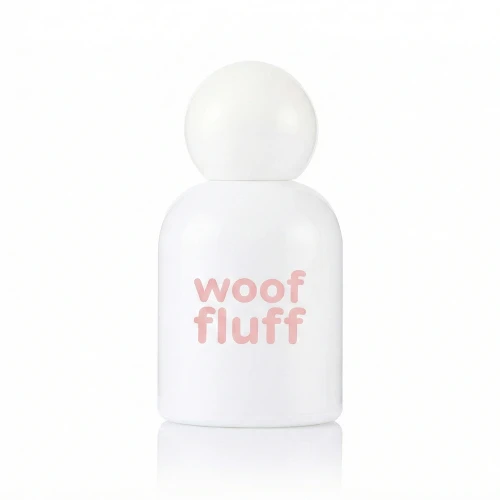
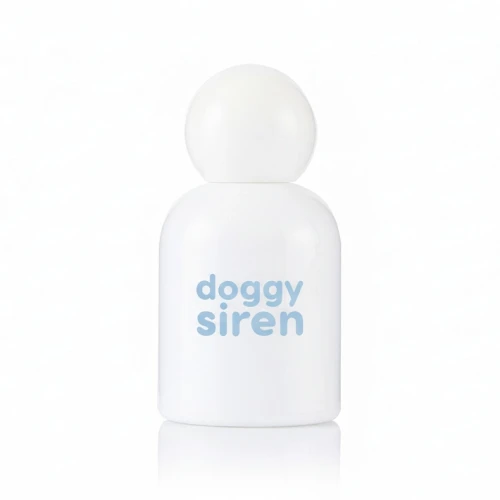
Shower: gel in a similar or the same fragrance direction. With the woof fluff line smelling of bubblegum, this is extremely easy. You have full facial care at your disposal, including cleansing products. With the doggy siren line smelling of lilac, it is also possible - just reach for our soap and body lotion.
-
Body lotion: apply to damp skin, especially where you will use perfume, wait 5-10 minutes. This is your "priming" layer. Choose a lotion with a matching or same scent. You can also reach for an unscented lotion.
-
Fragrance mist: a light cloud on hair/scarf/body - creates an additional background.
-
Perfume (extract/EDP/EDT): point-wise on pulse points (wrists, elbow creases, nape).
Tips that help:
-
If you combine many notes - go for an unscented lotionso as not to introduce noise.
-
Clothes: spray from a distance, do a material test (not all fabrics like perfume).
-
Dry skin "eats" the scent faster - regular moisturizing is the simplest longevity booster.
Psychology of scent - how aromas can change emotions and evoke memories?
Perfumes are not just beautiful scents - they are a language of emotions and memory. Our olfactory system is unique because it connects directly to the limbic system - the part of the brain responsible for emotions and memories. This is why one scent can suddenly transport us to another place and time. This phenomenon is called the Proust effect. A delicate scent can evoke long-forgotten images, often from early childhood, and make them more vivid than ever. Scents have many "faces" and can change our mood.
Fresh citrus compositions, such as bergamot or orange blossom, add energy and joy. Research shows that such notes can lower anxiety levels and improve the mood of people under stress - no wonder they are considered cheerful and stimulating.
On the other hand, subtle flowers - lavender, jasmine, or neroli - have a soothing and relaxing effect. Their aromas are traditionally attributed to peace and harmony, and the scent of lavender even has documented anti-anxiety effects. That is why such notes envelop so beautifully and give a sense of security.
There are also sweet and spicy notes - vanilla, cinnamon - which are positively associated almost everywhere in the world. Vanilla gives a sense of warmth and comfort, and its presence in perfumes evokes memories of home baking and moments of closeness.
Finally, we have heavier, distinct aromas - sandalwood, patchouli, incense, oud, amber - these are what build an aura of mystery and sensuality. Used for centuries in rituals and meditation, they bring peace, seriousness, and focus. They give the fragrance depth, freshness combined with spiritual weight, and their combination with lighter notes creates a mixture that can enchant and attract.
Each of these accords works a bit differently, but together they create a composition - a mixture that not only smells but also moves, calms, or adds courage. Perfume is a small emotional mirror - they reflect your mood, and sometimes gently change it.
Did you know that everyone smells perfume differently?
Scent is a very personal story. The same composition can be perceived completely differently by two different people. It's as if every nose tells its own fairy tale. This is due to the individual predispositions of our sense of smell and the way the brain interprets olfactory stimuli.
An experienced nose - a perfumer - can usually catch more fragrance notes and nuances from a perfume than a layman, but even experts are limited by human perception possibilities. Research shows that fragrance experts can identify a maximum of three individual ingredients in a mixture, and exceeding the so-called "limit of four scents" is practically impossible. This is why you might smell, for example, white flowers in a perfume while someone else smells mostly musk. Everyone pays attention to different aspects of the scent because our brain does not analyze all notes separately but creates a total impression that everyone interprets in their own way.
The perception of perfume is also influenced by what we carry in our hearts and memory. The smell of vanilla can be associated with the sweetness of childhood, and the aroma of cinnamon and cola with family holidays. Research shows that although each of us has our own associations, there are also some universal truths - the smell of decay evokes aversion in most people (but no one will tell us that the smell of a cellar isn't wonderful, right?).
In the end, the individual perception of perfume is a braid of the unique biology of our nose with the richness of experiences and associations recorded in the brain, which makes the same scent have a completely different shade for different people. The same bottle can be an enveloping memory, and for another, a fresh start. And that's exactly where the magic of scent lies - that it is at once shared and absolutely individual.
How to choose perfume for different occasions? - a wide selection and different faces of scents
Research shows that wearing your favorite perfume not only affects our well-being but also increases attractiveness in the eyes of others. It's not magic and it's not pheromones - rather an aura that makes us feel better about ourselves, our self-confidence increases, and the environment perceives us more positively.
Perfumes can accompany you every moment of the day and night, but it is worth matching their character to the occasion:
-
For everyday use - light, fresh, and floral notes are like a breath of fresh air. At work or during meetings, they do not overwhelm but add energy and freshness.
-
For a date or evening out - sensual, oriental, and deep accords envelop you in an aura of self-confidence, emphasizing your character and uniqueness.
-
For special occasions - rich, more distinct compositions become part of the celebration. These are scents that are remembered for a long time, just like the moments for which they were chosen.
Söppö Tip: treat choosing a perfume as an element of self-care. Just as you put on your favorite dress or paint your lips red, so the scent can be your secret support and a signal to the world. But remember - the most important thing is that the perfume emphasizes your aura. If you feel like you always want to smell like a bouquet of flowers or like a dark church - listen only to yourself, not to general guidebooks.
Söppö perfumes - your journey through emotions and memories
Perfumes from Söppö are an invitation to a journey through moments and memories that stay with you forever. It is more than a daily ritual - it is a way to stop emotions in a small bottle and reach for them whenever you need support, joy, or a bit of magic.
Whether you are looking for a perfume extract for evening outings, special occasions, or everyday use, our compositions are the perfect choice for anyone who wants to smell different from everyone else. Söppö is an excellent choice for those looking for something truly exceptional - scents that build their own aura.
To make shopping even simpler, attractive prices, free delivery, and a wide selection of scents appreciated by our customers await you in our online store. If something is missing, click "notify of product availability" or check other available products.
Discover Söppö perfumes in our online store and find your signature scent - one of a kind.