

Aromachology is a topic increasingly appearing in conversations about how we perceive scent and why certain aromas stay with us longer than others. Although perfumes are usually described through notes and fragrance families, in everyday experience, they often work differently: they are recorded as memories, images, associations, and small moments that are difficult to immediately translate into technical language. This is why the influence of scents is now described not only by the composition's ingredients but also by emotions, memory, and the way aromas fit into our daily lives.
In the case of Söppö, this way of thinking about scent resonates particularly naturally. Here, aromas are guided not only by a classic description of notes but also by atmosphere and associations: an evening jasmine garden, the first warm day smelling of lilac, hot chocolate after returning from a freezing walk, or a milky softness very close to the skin. Thanks to this, scent becomes something more than an accessory. It begins to function as part of a memory, a mood, and a personal perception of the world.
It is precisely in this space that aromachology appears — an interdisciplinary field of science that examines the relationship between scent, perception, memory, and human emotions. This is an interesting subject not only from the perspective of perfume but also everyday experiences, as it allows for a better understanding of why some scents trigger memories so easily and why they are so strongly linked to our perception of places, moments, and people.
Why do we so often remember scent through associations?
Scent very often appears in memory faster than words. Before we recognize a specific note, before we name the aroma or try to assign it to a specific family, an association appears. Sometimes it will be a season, sometimes a fragment of space, and sometimes a memory from the past that returns suddenly and without an obvious reason. This is why certain scents are so strongly recorded in memory: not just as aromas, but as experiences.
The influence of scents on the perception of everyday moments doesn't have to mean a spectacular reaction. It often works subtly, through senses, images, and cognitive processes that link the aroma to what we already know. For one person, lilac might mean the beginning of May and a garden; for another, the silence of a long evening or the air after rain. Jasmine can be associated with the night, soft light, and the peace of a moment, while a milky composition can be linked with closeness, warmth, and the private world of fragrance. It is this associative dimension that makes aromas link so strongly with memory and emotions.
It is not without reason that scent is considered one of the most suggestive stimuli. It is a sense particularly strongly connected to memory, which is why memories recorded through aromas can be so lasting and so intense in perception. This is where the subject of aromachology begins: in the observation that scent influences our experience of the world not only as a pleasant smell but also as a carrier of meanings, memories, and human emotions.
What is aromachology? Definition and scope of the term
Aromachology is an interdisciplinary field dealing with the relationship between scent and the way humans perceive it. It combines elements of psychology, perception, neurobiology, and reflection on how various aromas are recorded in memory, influence associations, and fit into everyday experience. In this view, scent is not solely an aroma floating in the air, but also part of how we experience places, moments, and our own memories.
The name itself comes from a combination of terms related to aroma and the study of its perception. Aromachology thus takes into account both human emotions and cognitive processes that make some scents seem warm, others fresh, and still others very personal and difficult to mistake for anything else. This area encompasses questions about why aromas trigger memories so easily, how they are processed by the senses, and why their perception is so strongly linked to memory and the limbic system.
In practice, aromachology finds application wherever scent ceases to be treated solely as a technical composition and begins to be understood as part of a broader experience. It allows us to describe why aromas can be associated with a specific atmosphere, time of day, place, or a fragment of the past. Thanks to this, it becomes a useful language for talking about perfumes not only through fragrance notes but also through perception, memories, and the meanings a scent carries for a specific person.
Aromachology vs. Aromatherapy – why are they not the same?
Although both terms refer to the world of aromas, they do not mean the same thing. Aromachology concerns how a scent is perceived by a human: how it connects with memory, emotions, associations, and everyday experience. Its approach focuses on perception and how different aromas fit into the way we experience moments, places, and situations.
Aromatherapy, on the other hand, refers to a different area and is most often associated with the use of essential oils, inhaling aromas, massage, or other practices attributed with specific applications. This is why it is so important to distinguish these terms in the context of perfumes and cosmetic products. Perfumes remain part of the fragrance experience, aesthetics, and personal perception, rather than the language of therapy.
In practice, aromachology allows for a better description of why lilac can be associated with the beginning of May, jasmine with the evening, and a milky composition with something very close to the skin and personal. It does not turn an aroma into a remedy with a specific effect but helps to name its place in memory, impressions, and the sensory perception of the world. This is why it fits so well with the language of perfumes, which are told through images, atmosphere, and associations.
Why does scent connect so easily with memory and recollections?
Scent very often returns to us faster than words. Sometimes a brief contact with an aroma is enough for an image of a specific place, a time of day, a fragment of conversation, or a fleeting impression that we have felt this before to appear. This is why memories recorded through scent are often so lasting and intense. They do not always recall an entire scene in detail. Sometimes only the light, the air temperature, someone's presence, or the feeling that this aroma was once part of our world returns.
This special relationship between scent, memory, and emotions is linked to the fact that the perception of aromas is closely connected to the brain areas responsible for memory, cognitive processes and elements of the limbic system. This is why scent is so rarely neutral. Instead of remaining solely a smell, it very quickly becomes a carrier of meanings. For one person, it will be a garden after dark; for another, a summer morning, a holiday kitchen, or the silence at the end of the day.
It is no coincidence that the name of the French writer Marcel Proust often appears in such conversations. He became a symbol of the moment when a minor taste or smell stimulus opens the door to an entire world of the past. This is the extraordinary nature of aromas: they can trigger memory not just as information, but as a vivid, sensory experience. Because of this, perfumes are very often perceived not only through fragrance notes but also through the images, associations, and emotions we have carried within us for a long time.
Does everyone perceive scent the same way?
The perception of scent always remains individual. Even if certain aromas are often linked with specific associations, it does not mean that every person will interpret them in an identical way. Memory, culture, personal experiences, the context of the moment, and what a given aroma has been encountered with before in someone's life all play a major role. This is why the same scent can trigger completely different images and emotions.
For one person, lemon or grapefruit will be associated with freshness, morning, and lightness; for another, with the kitchen, a summer drink, or a holiday trip. Lavender can evoke an image of the evening and the home's daily rhythm, but it can just as well be linked to a journey or a memory of a garden. Rosemary is sometimes perceived as more green and herbal, while ylang-ylang as fuller, more floral, and creamy. However, none of these associations are binding for everyone.
This is where aromachology proves particularly interesting. Not to turn scent into a simple reaction scheme, but to better describe its relationship with memory, associations, and the perception of the moment. Different aromas can fit into the mood of the day, evoke users' emotions and build a specific atmosphere, but it always happens in contact with a specific person and their own experience. Thanks to this, scent remains something living, personal, and difficult to confine within a single, universal interpretation.
Scent in the associative category – how aromas can be described in practice
In the case of aromachology, it is very clear that scent does not have to be described solely through top, heart, and base notes. An equally natural language is the language of associations: seasons, light, ritual, place, or a moment that stays in memory. This is exactly how Söppö scents work. They don't so much impose a single interpretation as they open specific images — sometimes soft and everyday, sometimes more distinct, but always rooted in something close and recognizable.
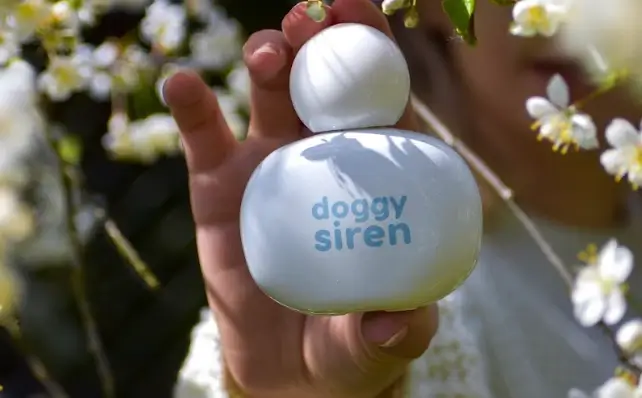
Doggy Siren can be interpreted as the scent of the first truly warm days. May lilac does not lead here toward a cold, florist-shop styling, but rather toward the garden, bright evenings, and simple memories that return along with the spring air. It is an aroma that carries the image of the season's beginning: a moment when everything is just opening up, and the world becomes lighter and more luminous.
Flutter Butter shifts this story to a different time of day. Jasmine appears here as the scent of the evening, soft air, and a garden after dark. It is not heavy or theatrical. It might be associated rather with silence, a warm night, and that moment when the day slowly gives way to something more intimate yet still light. In such a view, jasmine is not just a floral note — it becomes the atmosphere of the beginning of something new and familiar at the same time.
Fussy Pussy shows, in turn, that the associative category doesn't have to rely solely on one flower or one season. Here, the first association leads toward milkiness, creaminess, and a very personal softness. This composition builds an image of an afternoon, dessert, vanilla, rice, cream, and warmth close to the skin. There is something private, calm, and slightly mischievous about it at the same time — like a soft, sweet world enclosed very close to the body. Because of this, Fussy Pussy well demonstrates that a scent can be associated not only with a place or season but also with texture, mood, and closeness.
Polar Pop works on a completely different register. Here, the association goes toward December, the first snow, the kitchen, and the domestic bustle that heralds the holidays. Spicy cola, seasonings, and the warmth rising from a mug or a pitcher create a very specific image: family-oriented, seasonal, slightly nostalgic. It is an example of a scent that doesn't need much explanation, because the accord itself carries a ready-made scene — wintery, warmed up, a bit nostalgic, and very distinct.
Wooly Wolf can be read through the association of returning home after a freezing walk. Hot chocolate with marshmallows doesn't sound like a dessert from a display case here, but like something thick, soft, and homey. It is a scent that opens images of steaming windows, a thick sweater, cold hands warmed by a mug, and the moment when the external chill is left at the door. Thanks to this, the chocolate composition is not solely sweet — it becomes a carrier of the image of warmth, interior, and very everyday comfort.
Sneks with Legs leads somewhere else entirely: toward the evening, bedding, silence, and the peaceful end of the day. Lavender is not a decorative addition here but builds an association with the domestic rhythm, soft light, and the moment when everything slows down. This is an example of a scent that doesn't need to be intense to be remembered. Its simplicity and clear, recognizable character, rooted in something everyday and well-known, are enough.
This is why the associative category works so well for describing Söppö scents. It allows us to talk about perfumes not through declarations or cold technique, but through images that open almost immediately: spring lilac, a jasmine garden at night, a milky dessert, a December kitchen, a mug of hot chocolate, or a quiet evening smelling of lavender. In such a view, scent becomes part of memory and everyday imagination — and that is why it stays with us longer.
Does everyone perceive scent the same way?
Even if the same aroma touches the skin of different people, its perception is very rarely identical. Not only the notes themselves matter, but also memory, context, personal experiences, and what a given scent has been encountered with before in someone's life. This is why one aroma can mean lightness and freshness to someone, and to someone else, an evening, home, or a specific moment from the past.
This is particularly evident with scents that have a strong associative dimension. For one person, lilac will primarily be a sign of spring and the first warm days; for another, it will evoke a garden, a walk, or the memory of a long, bright evening. Jasmine can be associated with night and soft light, but equally with a holiday trip or a moment that cannot be immediately named. Lavender, hot chocolate, or milky, creamy compositions work similarly — each of these aromas opens a slightly different world, depending on who perceives it.
This is where aromachology becomes truly interesting. Not because it turns scent into a simple reaction scheme, but because it shows how strongly aromas connect with individual experience. Scent can fit into the rhythm of the day, evoke memories, build a specific atmosphere, and open images that will be slightly different for every person. Thanks to this, perfumes are not just a composition of notes, but also part of a personal language of memory and associations.
What aromachology is and what it is not
Aromachology shows that aromas are linked not only to what we feel with our nose but also to how they are recorded in memory, what images they evoke, and how they fit into the everyday perception of the world. It makes it easier to talk about scent through memories, atmosphere, emotions, and meanings that appear around specific aromas.
This does not mean, however, that every scent carries one universal meaning or that its perception can be confined to a simple scheme. Aromachology does not strip a scent of its subtlety. On the contrary — it shows that the power of an aroma often lies precisely in the fact that it leaves space for one's own associations and personal interpretation. What for one person will be an image of the beginning of May, for another may prove to be a memory of home, a journey, or a completely private moment.
In the world of perfume, such an approach proves particularly valuable. It allows for storytelling about scents not just through notes and technical definitions, but also through what happens between the aroma and memory. This is why Söppö perfumes find themselves so well in this language. Their story does not end with the composition's ingredients but develops further — toward images, memories, daily rituals, and those small moments that stay with us longest.
FAQ
Frequently Asked Questions
Aromachology is a field dealing with the relationship between scent and how a human perceives it. It encompasses issues related to perception, memory, associations, and the emotional perception of aromas. No. Aromachology primarily concerns the way a scent is perceived and interpreted, whereas aromatherapy refers to a separate area related to the use of essential oils and specific fragrance practices. Scent connects very easily with memory and everyday experience. This is why one aroma can suddenly evoke an image of a place, a season, a specific moment, or a person with whom it was once associated. No. Scent perception is very individual. Personal experiences, memory, culture, context, and what a given aroma was previously encountered with in someone's life all play a role. Because for many people, scent is more than just a set of notes. It is often better described by images and atmospheres: an evening, a garden, the first warm day, a cup of hot chocolate, or the soft silence of the day's end. Such language is often closer to the actual experience of an aroma. Yes, because many Söppö scents are based precisely on images and everyday scenes. Lilac can lead toward spring and bright evenings, jasmine toward a garden at night, and the milky composition of Fussy Pussy toward softness and a very personal perception close to the skin. No. Aromachology helps describe the dependencies between aroma and perception, but it doesn't turn scent into one universal message. The same aroma can mean something different to different people.1. What is aromachology?
2. Is aromachology the same as aromatherapy?
3. Why are some scents so strongly associated with memories?
4. Does everyone perceive scent the same way?
5. Why are perfumes so often talked about through associations today?
6. Can Söppö perfumes be interpreted in the associative category?
7. Does aromachology say that a scent always triggers the same effect?
From the author
When creating Söppö, from the beginning I thought of scent not as an ornament, but as something that stays close to a person and their everyday life. What interested me most was that an aroma is very rarely just a smell. It almost always carries some image: the evening, a garden, the warmth of home, the first warmer day, the softness of a moment you don't want to end.
This is why thinking about perfumes through associations is so close to me. Not through grand declarations, but through what a scent can stir within us at the level of memory and imagination. Sometimes it will be a childhood memory, sometimes a season, and sometimes simply an atmosphere in which we suddenly feel very 'at home'.
I wanted Söppö scents to leave room for such individual, personal interpretation. For them not to impose a single story, but gently open it. Because the most beautiful thing about perfumes for me is precisely that everyone can find something slightly different in them — yet something true.