

Perfume longevity is a topic that many people revisit when choosing a fragrance. We want perfumes to stay on the skin longer, develop gradually, and not disappear after a short moment. At the same time, the answer to what determines perfume longevity does not come down to a single number on a label. Both the concentration of the fragrance composition and the character of the ingredients used, the type of scent notes, the application method, body temperature, skin hydration levels, and how a given formula interacts with a specific person all play a role.
It is also worth clarifying the terminology before we move on to the explanation. When we talk about product class, we use terms such as eau de cologne, eau de toilette, eau de parfum, or perfume extract (parfum / extrait de parfum). However, when describing the product itself in everyday language, it is best to simply say: perfume. This allows for both precision and linguistic ease without sounding artificial when we are not specifically discussing concentration or product classification.
Before we move on to which notes usually last longer on the skin and whether a high concentration of fragrance oils always means greater longevity, it is worth separating two things that are very often confused: longevity and projection. This distinction is the best place to start, as it allows for a more accurate evaluation of a fragrance and a better understanding of why some compositions are immediately noticeable while others stay with us for a long time, even if they develop more quietly and closer to the skin.
Perfume Longevity vs. Projection – They Are Not the Same
Perfume longevity and perfume projection are two different fragrance parameters. Longevity refers to how long a scent stays on the skin, hair, or clothing. Projection, on the other hand, refers to how strongly and how far the scent of theperfumetravels in the air around the person wearing it. In other words, longevity answers the question of how long the scent is present, while projection determines from what distance and with what strength it is perceived by those around you.
This distinction is important because longevity and projection not only mean different things but often do not go hand in hand. Perfumes with greater projection may sometimes be less long-lasting because their ingredients pass more quickly from the skin into the air. Conversely, perfumes with greater longevity may remain closer to the skin and project much more subtly. In practice, this means a fragrance can be very noticeable right after application but fade after a few hours, or vice versa: develop slowly, without a strong opening, and yet remain on the skin for a long time.
The simplest way to explain it is this:projection is largely determined by how easily and quickly aromatic substances evaporate from the skin into the air and how well the human nose detects them. Longevity is determined by the character of the ingredients used, the structure of the fragrance composition, and the concentration of the formula itself. Therefore, a higher alcohol content often provides a more open, more noticeable opening, but it does not always mean the scent will last long on the skin. Conversely, a higher concentration of the fragrance composition may favor longevity, but it does not necessarily translate into stronger projection.
This is clearly visible when comparing different types of compositions. Fresher, lighter profiles often seem more open at the beginning because they rise from the skin faster, but their scent longevity tends to be shorter. On the other hand, compositions based on heavier ingredients, such as sandalwood, balsamic accords, or deeper base notes, often stay on the skin longer, though they do not always create as wide an aura around the wearer. This is why perfume projection and scent longevity should be evaluated separately rather than treated as synonyms.
In practice, this distinction makes choosing a perfume much easier. After all, not everyone is looking for the same thing. Some prefer a fragrance that is clearly present from the start and quickly makes its mark. Others seek a composition closer to the skin, more intimate, but present for a longer duration. To properly evaluate a perfume, it is therefore worth asking not only about its longevity but also about how it carries, how it develops over time, and what kind of presence it builds on the skin.
What Determines Perfume Longevity?
Perfume longevity depends primarily on the construction of the scent itself. Some ingredients are naturally more volatile, while others evaporate more slowly and stay on the skin longer. This is why compositions based on fresh, light accords usually resonate differently than fragrances set on a heavier, deeper base. In practice, it matters not only how a perfume smells right after application but also which notes it was built from and how they develop over time.
In a classic fragrance pyramid, the head notes are usually detectable for the shortest time, followed by the heart of the fragrance, while the base notes last the longest. It is the base that is most often responsible for the impression of depth and a long-lasting finish. Ingredients such as sandalwood, patchouli, balsamic accords, or warmer resins generally last longer than bright citruses, green openings, or more delicate floral notes. This does not mean, however, that lighter scents are inherently short-lived. Rather, it means their longevity should be evaluated in relation to their nature, not by the same measure as heavier compositions.
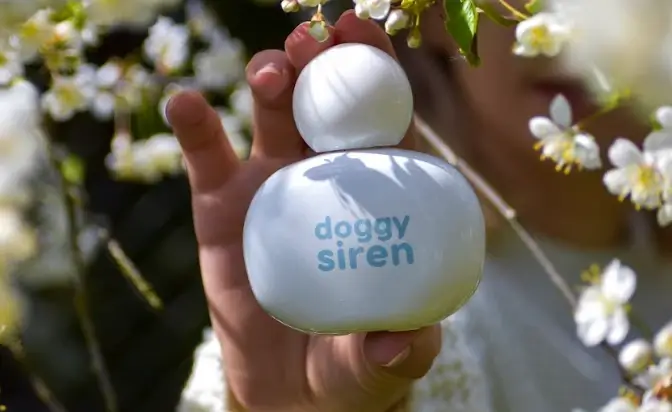
This is clearly seen in the example of floral scents. Lilac or jasmine are among the notes that can be very distinct, but their character remains lighter than that of ingredients with a woody or amber profile. Therefore, Doggy Siren and Flutter Butter should be viewed as compositions whose longevity stems from the quality of the formula and the way the scent is constructed, yet remains tied to the nature of lilac and jasmine. On the other hand, French 75, despite its fresher character, is a more layered composition, so it may leave a longer, clean trail on the skin than a simpler floral mono-scent.
Longevity is also influenced by the skin itself. Well-hydrated skin usually "holds" a scent better than dry skin, which is why the same formula can behave differently on different people. Body temperature and the way the perfume is worn also matter. Heat accelerates the development of the composition, but it doesn't always make the scent stay longer. For this reason, the perception of longevity is always partially individual and cannot be judged solely in the first few minutes after application.
Fragrance Concentration – Is Higher Always Better?
In the perfume world, we encounter different product classes: eau de cologne, eau de toilette, eau de parfum, and perfume extract (parfum / extrait de parfum). These names refer to the concentration of the fragrance composition in the formula.
Higher concentration does matter, but it must be discussed precisely. If we compare the same composition in two different concentrations, the higher concentration will usually mean greater longevity. The same scent at a 30% concentration will typically last longer than at a 10% concentration because it contains more of the fragrance composition.
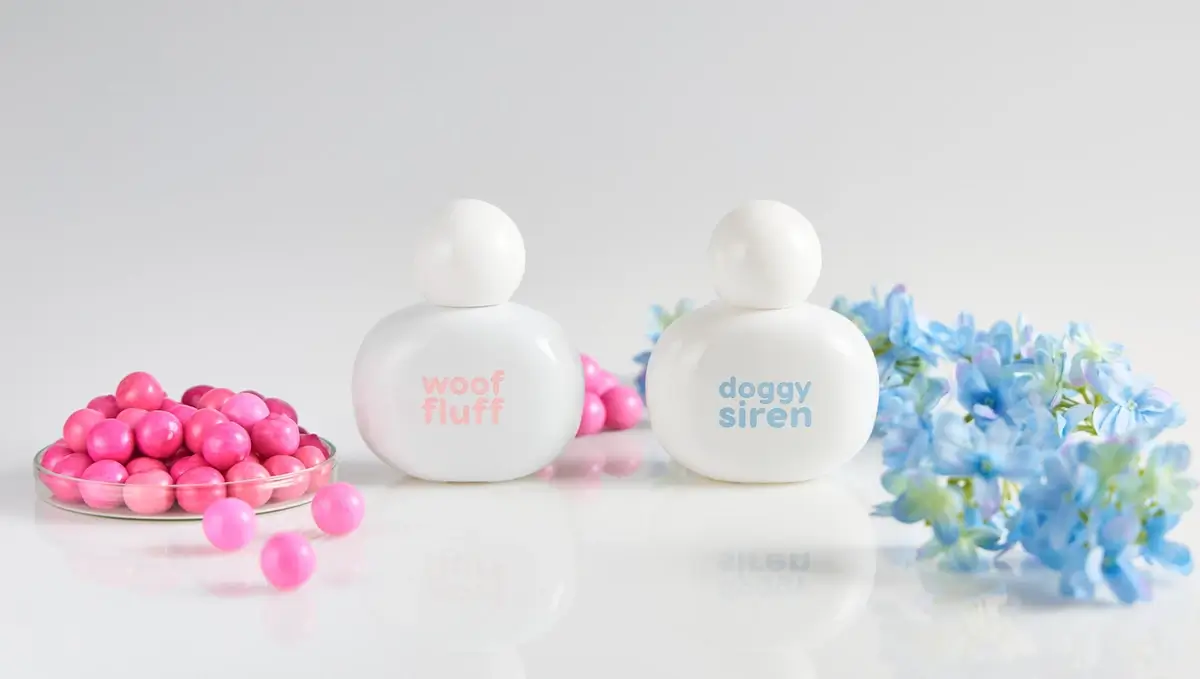
It is a different story when comparing two different scents. In that case, the percentage alone is not enough to judge their longevity. Two compositions at the same concentration can behave completely differently if they are built from different ingredients and rely on different note proportions. This is why a lavender scent might be more long-lasting than a lilac scent, even if both are bottled at the same concentration. The final effect is decided not only by concentration but also by the character of the molecules used and the design of the entire formula.
High concentration also doesn't automatically mean the scent will be "better" in every sense. Sometimes it provides greater depth and a calmer, closer-to-the-skin resonance, and sometimes it simply allows a given composition to maintain its character longer. In the case of Söppö, this is how perfume extract should be viewed: not as a promise of identical longevity for all scents, but as a form that gives the composition greater concentration and allows it to develop more fully on the skin. This is particularly important when comparing fragrances of different characters, as a percentage figure cannot replace the actual experience of wearing them.
Why Does the Same Perfume Behave Differently on Different People?
The same composition can smell similar on two people and yet leave a completely different impression in terms of longevity. One reason is skin condition. Well-hydrated skin usually retains scent better because it doesn't release it as quickly as dry skin. In practice, this means the same perfume may develop more calmly and longer on one person, while fading faster on another, even though the formula remains exactly the same.
Body temperature and wearing conditions also play a role. Heat causes the scent to develop faster and rise more easily from the skin, which is why perfumes often seem more open and distinct in warmer environments. However, this does not always mean greater longevity. Sometimes the composition reveals its face faster but moves just as quickly to a quieter finish. This is why the perception of a scent changes not only between people but also between seasons, ambient temperatures, and daily wearing conditions.
The surface the scent encounters also makes a difference. Perfume worn on bare, well-prepared skin behaves differently than on dry skin or skin just irritated after a bath. It is also perceived differently when applied very sparingly and selectively compared to when it hits a larger surface area of the body. Ultimately, longevity is not a trait that exists in isolation from the user. It is rather the result of the composition meeting specific skin, its temperature, hydration level, and daily wearing style.
That is why when checking perfume longevity, it is best not to judge after a single use or after the first fifteen minutes. It is much fairer to give the scent several tries in different conditions and only then see how it sits on a person's skin. This is especially important for more subtle, floral, or linear fragrances that don't always make the strongest first impression but can beautifully and consistently stay close to the skin for many hours.
How to Extend Perfume Longevity in Practice?
The simplest way to extend perfume longevity is to apply it to well-prepared skin. This isn't about a complicated ritual, but a basic rule: the skin should not be dry. A moisturized surface can hold a scent better, so perfumes usually settle better on a lotion than on completely dry skin. If the composition is complex or you don't want to introduce an additional background, a lotion with a subtle scent is a safe choice. However, if you want a more cohesive effect, scent layering through skincare works well—building a fragrance background with products of a similar or identical aromatic direction.
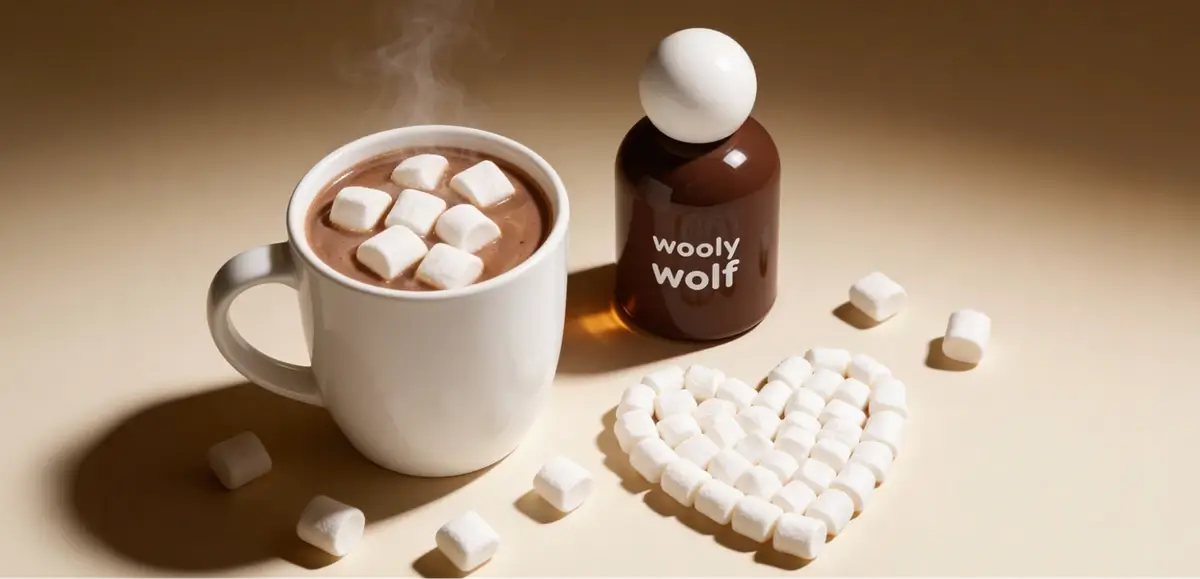
This is where the example of Doggy Siren naturally applies. If you reach for lilac-scented perfume, you can first use soap and body lotion from the same line. Such a set is not a random addition, but a logical extension of the scent on the skin. Care products leave a delicate background in the same note, and the lotion creates a layer that helps keep the aroma closer to the skin. As a result, the scent develops more evenly and can be felt longer, without the impression of a random mix.
The moment of application also matters. Perfume is best applied to pulse points where the skin is warmer: wrists, neck, inside of the elbows, or the nape of the neck. You don't need to overdo the quantity, as more sprays don't always yield a better effect. Often, a calm, deliberate application works much better than an excess of product. It is also good to give the scent a moment to settle and develop at its own pace.
In practice, one of the most common mistakes is rubbing the wrists together right after application. This reflex seems innocent, but it can disrupt the development of the composition and cause the scent to lose the lightness of its opening faster. It is much better to simply let the perfume settle on the skin. If you want to check the longevity of a perfume, it is also worth giving it time and not judging it immediately after spraying. Often, it takes fifteen minutes to see how the scent truly settles.
Extending perfume longevity is not about a single trick but several simple decisions: well-prepared skin, sensible application, and potentially layering products of a similar character. These small elements usually make the biggest difference in daily fragrance wear.
How to Store Perfume so it Doesn't Lose Quality?
The longevity of a scent is affected not only by the formula and the way it's worn but also by the conditions in which the perfume is stored between uses. Fragrance compositions do not like intense light, large temperature fluctuations, or moisture. If a bottle stands in a very sunny spot for a long time or in a room where the temperature changes regularly, the scent may gradually lose its balance and sound different than it did at the beginning.
Therefore, it is best to store perfume in a shaded, dry place that is as temperature-stable as possible. A shelf in the bedroom, a drawer, or a cabinet placed away from radiators and windows works well. The original packaging also makes sense, especially if it protects the bottle from light.
A less favorable place to store perfume is the bathroom. Although many people keep their favorite scents there, humidity and frequent temperature changes are not the best environment for them. From the perspective of daily use, convenience is important, but if you want your perfume to retain its character for as long as possible, it is better to choose a calmer place. This ensures the scent stays as it was intended for longer, without an accelerated loss of freshness, depth, or balance between individual notes.
Long-lasting Perfume and Choosing a Scent – What's Really Worth Checking?
When looking for a long-lasting perfume, it's easy to focus solely on one parameter, such as concentration or the first impression after application. In practice, it's much better to look at the fragrance holistically. It's worth paying attention to its profile, the type of notes used, and how it develops after fifteen minutes, rather than just right after spraying. That's when it's easiest to evaluate whether a given composition truly meets expectations and whether its presence on the skin matches what you're looking for every day.
It's also good to compare fragrances within similar families rather than putting extremely different profiles side-by-side and expecting identical behavior from them. Fresh, floral, or linearly constructed perfumes will develop differently than more balsamic, woody, or gourmand compositions. This is neither a flaw nor a virtue, just a natural feature of their construction. Therefore, choosing a perfume should be based not on looking for one universal answer, but on matching the scent to your own preferences and wearing style.
In practice, it's best to test perfumes calmly and without rushing. Instead of judging them after a few minutes, give them time, see how they behave after an hour, and whether they still sound cohesive. Sometimes the scent that seems quieter at first turns out to be the most satisfying in daily wear. Perfume longevity matters, but it's equally important whether the composition remains close to what you truly want to feel on your skin.
Perfume Longevity is the Sum of Many Elements
The longer we look at scent longevity, the more clearly we see that it cannot be reduced to one simple rule. How long a perfume stays on the skin is determined not only by the concentration of the fragrance composition but also by the character of the notes, the construction of the formula, wearing conditions, skin condition, and daily habits. This is why two scents can be equally well-crafted and yet provide completely different wearing experiences.
In practice, it's best to think of longevity not as a separate "box to check," but as part of the perfume's entire character. Some compositions are meant to be brighter, lighter, and subtler. Others rely on deeper, warmer accords and naturally stay on the skin longer. So it's not always about finding the "most long-lasting perfume," but rather about choosing a scent whose presence truly matches what you're looking for.
That is why when choosing a fragrance, it is worth giving yourself a moment and checking not only the first impression but also what happens later. Sometimes the most beautiful perfumes are not the ones that make the biggest entrance right away, but those that stay close to the skin over time and develop calmly, consistently, and in accordance with their own character. In the world of Söppö, such a presence is particularly meaningful, because the scent is not meant to dominate, but to accompany.
FAQ on Perfume Longevity and Projection
Frequently Asked Questions
Usually yes, but only when comparing the same composition in different concentrations. The same scent at a 30% concentration will typically be more long-lasting than at 10%. However, if we compare two different scents, the percentage alone is not enough to evaluate longevity. The type of ingredients used, the composition structure, the volatility of the notes, and how the scent behaves on the skin also play a significant role. The difference primarily concerns the concentration of the fragrance composition. Eau de toilette is lighter, eau de parfum is more concentrated, and perfume extract (parfum / extrait de parfum) is among the most saturated forms of fragrance. However, this does not mean that every perfume extract will behave identically, as much depends on the type of the composition itself. They are usually more volatile than heavier base notes, but that doesn't mean fresher perfumes must disappear very quickly. Much depends on how the entire formula was built. A fresh or floral character can be present on the skin for a long time, it just usually develops differently than more woody, balsamic, or gourmand compositions. It is safest to apply perfume directly to the skin, as that is where the composition develops most fully. In the case of light or delicate fabrics, it's better to be cautious, especially with more concentrated formulas. If you want to spray clothing, it's best to do it from a distance and check how the material reacts to the scent beforehand. Ideally in a dry, shaded, and relatively cool place, away from sunlight and rapid temperature changes. A shelf in a room or a cabinet works well, and the original packaging can further protect the bottle from light. The bathroom is a less favorable spot, as humidity and heat can negatively affect the scent over time. Yes, this is one of the most natural ways to build a cohesive scent on the skin. When perfume is combined with a lotion, soap, or other care product in the same scent direction, the overall effect becomes more harmonious, and the fragrance can be felt longer. This is why skincare layering makes sense both aesthetically and practically.1. Does a higher concentration of fragrance oils always mean greater longevity?▼
2. What is the difference between eau de toilette, eau de parfum, and perfume extract?▼
3. Are fresh notes always less long-lasting?▼
4. Should perfume be applied to clothes?▼
5. What is the best way to store perfume?▼
6. Can products from the same scent line help extend perfume longevity?▼
From the Author
What I like most about perfume is that it doesn't allow itself to be confined to a single simple answer. Sometimes we look for a scent that will stay with us from morning to evening. Other times, it matters more that it is close to the skin, subtle, and present only when we truly want to feel it. That's why when creating perfumes, I always think not just about longevity itself, but also about how a given scent is meant to live on the body and what story it is meant to tell over the following hours.
I like to think of longevity not as a race, but as a relationship between the composition and the person wearing it. Lilac will last differently than jasmine. Jasmine differently than lavender. A gourmand composition differently than a fresher, brighter scent. And that's the beauty of perfume, because not every scent has to do the same thing to be exactly what it should be.
That's why I always encourage one thing: give the perfume a moment. Don't judge it solely by the first spray and don't look for just one number that is supposed to say everything. Sometimes it's the scent that develops more quietly that stays with us the longest — not just on the skin, but also in memory.