


Monoperfumes – a fragrance focused on a single note
In the world of perfumes, we are used to the idea that a fragrance should change. First, the top notes build the initial impression, then the heart notes appear, and finally, heavier base notes settle closer to the skin, creating background and longevity. This is a beautiful, multi-layered construction that a perfumer composes from many fragrance notes, carefully balancing proportions, fixatives, and the role of the background.
However, increasingly, attention is being drawn to monoperfumes—single-note perfumes built around one specific note. Contrary to appearances, this does not mean the presence of only one ingredient. Fragrance compositions of this type are also created from several components, but they all serve a single note – strengthening it, stabilizing it, and allowing it to resonate clearly. They do not compete with each other, nor do they create complex compositions and contrasts, but instead lead the nose in one direction.
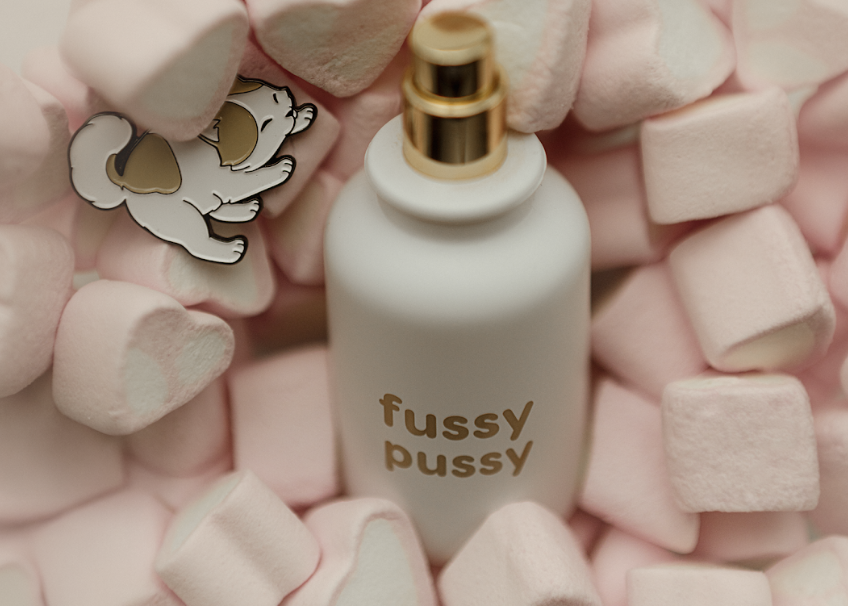
Söppö Monoperfumes are an example of this approach to simplicity. The scent of lilac in Doggy Siren or jasmine in Flutter Butter do not change character after several minutes – they remain true to their single note, allowing you to focus on one impression. Such linearity can be a response to sensory overload: instead of analyzing whether it's already the heart or still the top, we can simply check if you truly like that aroma.
Single-note perfumes are often treated as nose training. It is easier to understand what peony, lavender, or bubblegum smells like when they aren't covered by heavier woody notes or spicy accents. It is also a way to discover your own scent – one that doesn't need many layers to evoke an impression of purity and consistency. Thanks to such training, it becomes easier over time to pick out those same notes in more complex compositions, even if they were previously difficult to recognize clearly.
Classic compositions – fragrance as a story over time
Although monoperfumes attract attention today with their simplicity, classic compositions remain an important part of the perfume world. They teach us that a fragrance can be a story written in stages. First, the top notes appear – fresh, often citrusy or light aquatic-floral accents that build the first impression. After a while, the heart notes come forward, the true heart of the composition. This is where flowers, herbs, or spicy nuances most often resonate. Finally, the heavier notes remain – woody notes, velvety oakmoss, patchouli, or sandalwood – which are responsible for longevity and depth.
Such fragrance compositions tend to be more complex, and their perception changes over time. A perfumer working on classic perfumes selects fragrance notes in such a way that each has its place – some create the top, others build the background, and still others fix the aroma closer to the skin. Cardamom can provide a fresh, slightly spicy accent, orange blossom can introduce luminous freshness, and sandalwood or oakmoss can ground the whole in a calm, earthy base.
With complex compositions, it's easier to convey contrast: the sweet-spicy gourmand character with a hint of cinnamon and pepper, cool lavender paired with a warm amber base, or a delicately sweet floral heart set on a woody foundation. For many people, this very variability is the essence of the perfume world.
However, it is worth noting that the growing interest in clear, pure notes does not mean a rejection of classic compositions. Rather, it shows that we are increasingly looking for a choice – sometimes we want a fragrance that tells a story over time, and sometimes one that remains true to a single note and a single impression from start to finish.
Why are we returning to pure notes?
In recent years, a subtle shift can be noticed in the world of fragrances. It's not a revolution or a rejection of classic perfumes, but a shift in sensitivity. In times of sensory overload, we are increasingly looking for something that allows us to focus on one impression – without the need to analyze many layers and contrasts.
A simple aroma can act like a still frame. A lilac scent, such as in Doggy Siren, does not need an elaborate structure to evoke emotions. The lilac aroma is clear: slightly green, fresh, with a floral softness. It doesn't distract, it doesn't change abruptly – it remains true to one note. Similarly, jasmine can be creamy, delicately sweet, and yet distinct. When we focus on one note, it's easier to answer the question of whether it's a scent you truly like.
Increasingly, we are also returning to gourmand notes – such as bubblegum or chocolate – because they evoke taste and memory. The sweet-spicy accent of cinnamon, the aroma of fresh laundry, or even damp earth associated with rain build a very specific impression. You don't need to recognize all the fragrance notes to feel the emotions.
This need for clarity may stem from the daily rush. When everything around is multi-layered and intense, simplicity in fragrance provides a sense of purity and peace. Instead of wondering which notes are on top now and which constitute the heart of the composition, we can focus on a single aroma and see how our body reacts to it.
This does not mean that we are losing interest in complex compositions. Rather, we are learning that the world of perfumes offers different paths – and sometimes the simplest one turns out to be the most intuitive.
How to compose your own scent in a world of simple notes?
Returning to clear compositions does not mean giving up creativity. On the contrary – once you know one note really well, it is easier to consciously compose your own scent. The easiest way to start is with monoperfumes. If you know you truly like jasmine, the scent of lilac, or a delicately sweet gourmand, you can see how that note behaves on your skin – without competition from other chords.
Single-note perfumes allow you to understand how an aroma works closer to the skin and how its longevity changes throughout the day. This is also a good starting point for fragrance layering. Working with complex compositions can be more demanding, as each already has its own top notes, heart notes, and heavier base notes. One clear note provides greater control over the final effect.
More and more is also being said about what skincare layering is. This involves building the background of a fragrance through body products – lotion, soap, or bath preparations in a similar fragrance direction. Moisturized skin "holds" the aroma better, and the scent develops more evenly. A lotion can act as a subtle carrier that enhances longevity without excessive projection. It is in this spirit that the Doggy Siren line has expanded to include not only lilac-scented perfume but also fluffy body lotion and soap with the same scent, allowing you to build a consistent, floral fragrance background even before applying the perfume.
Composing your own scent is not about following a trend, but about observing your own reactions. Are you closer to fresh, citrusy accents, or rather a woody and velvety foundation? Do you prefer the purity associated with fresh laundry, or spicy notes with cardamom and cinnamon? The world of fragrances offers many possibilities, but ultimately, it is your impression that decides which aroma becomes your own scent.
From idea to bottle – how is a fragrance composition created?
Even when we speak of the simplicity of a single note, behind every fragrance stands a process that is rarely simple. Whether it is monoperfumes or more classic fragrance compositions, a perfumer works on the whole. They select the notes, decide on the proportions, and determine which ingredients will act as the background and which will build the heart of the fragrance.
In the case of single-note perfumes, the challenge is maintaining the purity of the theme. If the composition is based on the scent of lilac, jasmine, or peony, all elements must support that one note rather than drawing attention away from it. Additional molecules, fixatives, or technical accents are meant to emphasize the character without changing it into something else. It is a balance between simplicity and stability.

In more complex compositions, the process looks different. Here, orange blossom is combined with cardamom, lavender with sandalwood, patchouli with oakmoss, or cinnamon with other spices. A structure is created where the top notes form a fresh top layer, heart notes build an emotional center, and woody and heavier notes settle closer to the skin, providing longevity.
Responsibility is also an important element. More and more brands are choosing vegan formulas and a conscious selection of ingredients. The bottle becomes not just packaging, but a carrier of a story – a material trace of the work on a composition intended to evoke a specific impression.
Whether we choose a fresh and aquatic-floral scent or a sweet-spicy gourmand with a hint of chocolate, a decision about direction stands behind every aroma. And the world of perfume remains a space where technique meets emotion – sometimes in a single note, sometimes in an elaborate story.
Frequently Asked Questions
Monoperfumes are single-note perfumes focused on one main note. Although there is more than one ingredient in the formula, all elements support the same note and do not change its character over time. Classic fragrance compositions are built from many fragrance notes – from top notes, through heart notes, to heavier base notes – allowing them to develop in stages. Heavier notes, such as sandalwood, oakmoss, or patchouli, generally last closer to the skin longer than fresh citrus accents or aquatic-floral compositions. However, fragrance longevity also depends on concentration, skin type, body temperature, and application method. Every body has a different pH, hydration level, and temperature. These factors influence how notes develop and the impression the scent leaves. Therefore, a lilac aroma, jasmine, or a sweet-spicy gourmand may be perceived slightly differently by different people. Yes, many people choose single-note perfumes specifically for everyday wear. Their clarity and purity make them easier to match to various situations. They can be worn alone or serve as a base if someone wants to compose their own scent through subtle skincare layering using a lotion or other body products.1. What is the difference between monoperfumes and classic compositions? ▼
2. Do heavier notes always mean greater longevity? ▼
3. Why does the same aroma smell different on different people? ▼
4. Are single-note perfumes suitable for everyday wear? ▼
Author's Voice
When I began my journey in the world of perfume, I was fascinated by complex compositions. Their construction, the work on the notes, the balance between heart and base – it was all like a language I wanted to learn. Over time, however, I began to return to simplicity more often. To a single note that doesn't need many layers to evoke emotions.
The scent of lilac reminds me of a specific place and the light of a spring afternoon. Jasmine, for me, holds the silence of a summer evening. Even damp earth after the rain or delicately sweet gourmand notes can stop me for a moment. I realized that I am not always looking for a story written in three acts. Sometimes I want a single impression – pure, clear, close.
I don't think the world of fragrances should have to choose between simplicity and complexity. For me, what matters most is that a scent is authentic to itself and to the person wearing it. If you truly like one note – let it resonate. If you love multi-layered classic compositions – there is a place for them too.
The world of perfume doesn't have to be a race. It can be a space for mindfulness.
This article is for informational purposes and concerns products available in the Söppö brand offer.