

There are scents that don't need a grand stage. A May evening, a cracked window, and a lilac bush somewhere along the way—under the apartment block, by the fence, in grandma’s garden, or on the street you’d walk home a bit later than you should. Suddenly, the air turns soft. It smells of flowers, the first warmth after winter, and something that can't be quite named.
The scent of lilac has that strange quality of appearing like a memory before you even have a chance to think. It's fresh, floral, slightly green, but at the same time, it has something velvety and almost dreamlike about it. It doesn't smell like a decoration. It smells more like a moment that really happened once—and suddenly returns, even though no one invited it.
No wonder lilac perfumes evoke so much emotion. Lilac blooms briefly, intensely, and without warning. For a few weeks, it can take over the whole city, and then it disappears as quietly as if it had never been there. Only the memory remains: the scent of flowers on the skin, bright evenings, warm air, the first promise of summer.
But can such an aroma really be captured in a bottle? Can you capture something that is naturally fleeting, seasonal, and a bit disobedient? This is where the art of perfumery begins—not as a literal copy of nature, but as an attempt to recreate the impression that nature leaves on a person.
What does lilac smell like? Fresh, floral, and a bit like a memory
Lilac belongs to those floral notes that are hard to mistake for anything else. It's not as creamy as jasmine, not as classic as rose, not as powdery as violet, and not as exotic as ylang-ylang. It has its own rhythm: fresh, bright, slightly green, yet soft and romantic.
There's something of a damp morning and something of a warm afternoon in the scent of lilac. On one hand, you can sense the freshness of flowers just opened on the branches. On the other—a delicate sweetness that doesn't lean towards vanilla, fruity notes, or heavy amber accords. It's a floral sweetness, natural, slightly pollen-like, like air saturated with the scent of a blooming garden.
That's why lilac perfumes are usually associated with lightness. They don't have to be cold to give an impression of freshness. They don't have to be very citrusy to suit spring days. Their floral character stems from something more subtle—the combination of a green stem, soft petals, and that particular May aura that lasts only for a moment.
The lilac note can also be surprisingly emotional. To one person, it smells like grandma's garden. To another—the walk home from school, the first warm evening after a long winter, or a bouquet standing on the kitchen table. That's why sometimes the most beautiful perfumes aren't always the most complex. Sometimes one well-captured note is enough for a scent to start telling something very personal.
In classic floral perfumes, lilac often gets lost among other accords: rose, jasmine, heliotrope, musk, peach, or bergamot. It can add freshness, softness, or a nostalgic light to a composition, but it rarely stays center stage. Yet, the scent of lilac has enough character to resonate without a large bouquet around it.
Lilac as a 'Silent Flower' – Why Isn't It Enough to Gather Flowers and Make an Oil?
Lilac seems like an obvious scent. It blooms so intensely that sometimes just walking past one bush is enough for its aroma to stay with us for a long time. So one might think: since it smells so strong, just gather the flowers, extract the essential oils, and lock that scent in a vial. In perfumery, however, the matter is much more elusive.
Lilac belongs to the group of so-called silent flowers, meaningfleurs muettes. This term is applied to plants whose scent cannot be easily translated into natural perfumery raw materials. A flower can smell intense in the garden, but that doesn't mean it will yield its aroma in the form of an oil or absolute in a way that is useful for a perfumer.
That's why the scent of lilac in perfumes is usually not a simple 'lilac oil'. It's a reconstruction—a fragrance composition built to evoke the impression of blooming lilac as faithfully as possible. This scent consists of small elements: green freshness, floral softness, light sweetness, and that special airy note that makes lilac smell like the beginning of the warm season.
Not every aroma of nature can be obtained directly. Some scents must be recreated with tenderness and precision, without pretending that nature gave them up in the simplest possible way. In the case of lilac, the authenticity lies in the fact that the composition makes you truly feel May for a moment.
In this sense, lilac perfumes are a small illusion—but one that tells the truth about memory. They don't have to be a literal extract of the flower to smell familiar. They can be a masterful reconstruction of something everyone remembers a bit differently: the scent of lilac under the window, a bright evening, the first days without a jacket, fresh flowers brought home in an oversized bouquet.
The Art of Reconstruction – How Perfumery Captures Something That Cannot Be Caught Literally?
In perfumery, the most interesting thing is sometimes not what can be obtained directly, but what must be built from memory, imagination, and technical precision. The scent of lilac is precisely such a case. It's not enough to recreate a single molecule or add a 'floral aroma' to a ready-made formula. You have to create the illusion of a whole scene: flowers heavy with scent, the cooler shade under the bush, green twigs, and the air that smells different in May than the rest of the year.
Such a reconstruction is like putting together a picture from very small fragments. One part of the composition is responsible for the freshness, another for the softness of the petals, yet another for the slightly green background. Sometimes a touch of luminosity is needed, sometimes a shadow of a powdery note, sometimes something that prevents the whole from being flat. Only from these elements is a scent created that the nose recognizes as lilac—even though it isn't a literal extract of the flower.
This is why lilac-based fragrance compositions require intuition. Too much sweetness could shift them towards peach, vanilla, or fruity notes. An excess of green could strip them of their softness and romantic character. On the other hand, a base that is too heavy with patchouli, amber, musk, or sandalwood could mask the delicate character of this note. So it's about balance—one where the composition feels full but still maintains its lightness.
This is where perfumery becomes more than technical mixing of ingredients. It's an attempt to capture not only the aroma but also the proportions of memory. After all, lilac doesn't just smell like a flower. It smells like a season, a place, light, the warmth of skin after a walk, and that short moment when spring begins to tilt into summer.
Lilac Perfumes – How Do They Differ from Classic Floral Compositions?
Floral perfumes can tell very different stories. Some are built like a rich bouquet where rose meets jasmine, violet, heliotrope, ylang-ylang, and fruity notes. Others lean towards elegant classics, where floral notes are set on a base of musk, amber, patchouli, vanilla, oakmoss, or sandalwood. There are also more luminous compositions with bergamot, citrus, green tea, or pink pepper, which add air and freshness to the whole.
In such scents, lilac can be one of many elements. It appears as a bright accent, a romantic background, or a note that softens a larger composition. It doesn't always play lead. Sometimes it's hidden between rose and jasmine, sometimes it tempers fruity notes, sometimes it creates a harmonious whole with powdery violet or soft musk.
Lilac perfumes in a more focused version work differently. They don't try to be a bouquet of the entire garden. They don't lay out a wide panorama of flowers, fruits, and woody bases on the skin. Their strength lies in the clarity of a single note—in the fact that from the start, you know where the scent is leading. This is an ideal choice for people who aren't looking for another decorative composition, but for something closer to one specific memory.
In this sense, the best perfumes don't always mean the most complex ones. For one person, the ideal scent will have rose, jasmine, amber, peach, and a sensual trace of vanilla. For another, a note of lilac is enough if it's the one that most accurately tells the story of spring, one's own skin, and moments that don't need many words.
Doggy Siren – May Lilac in Its Purest Form
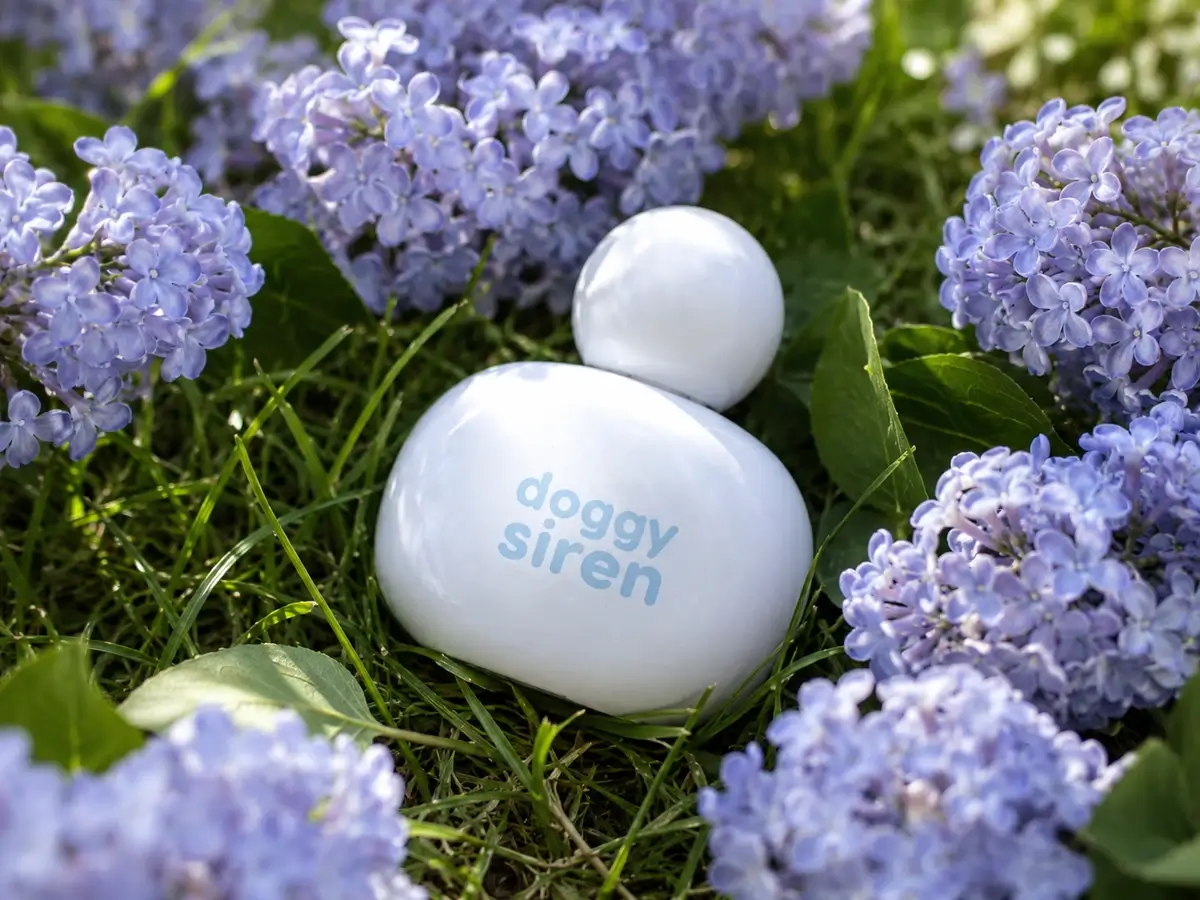
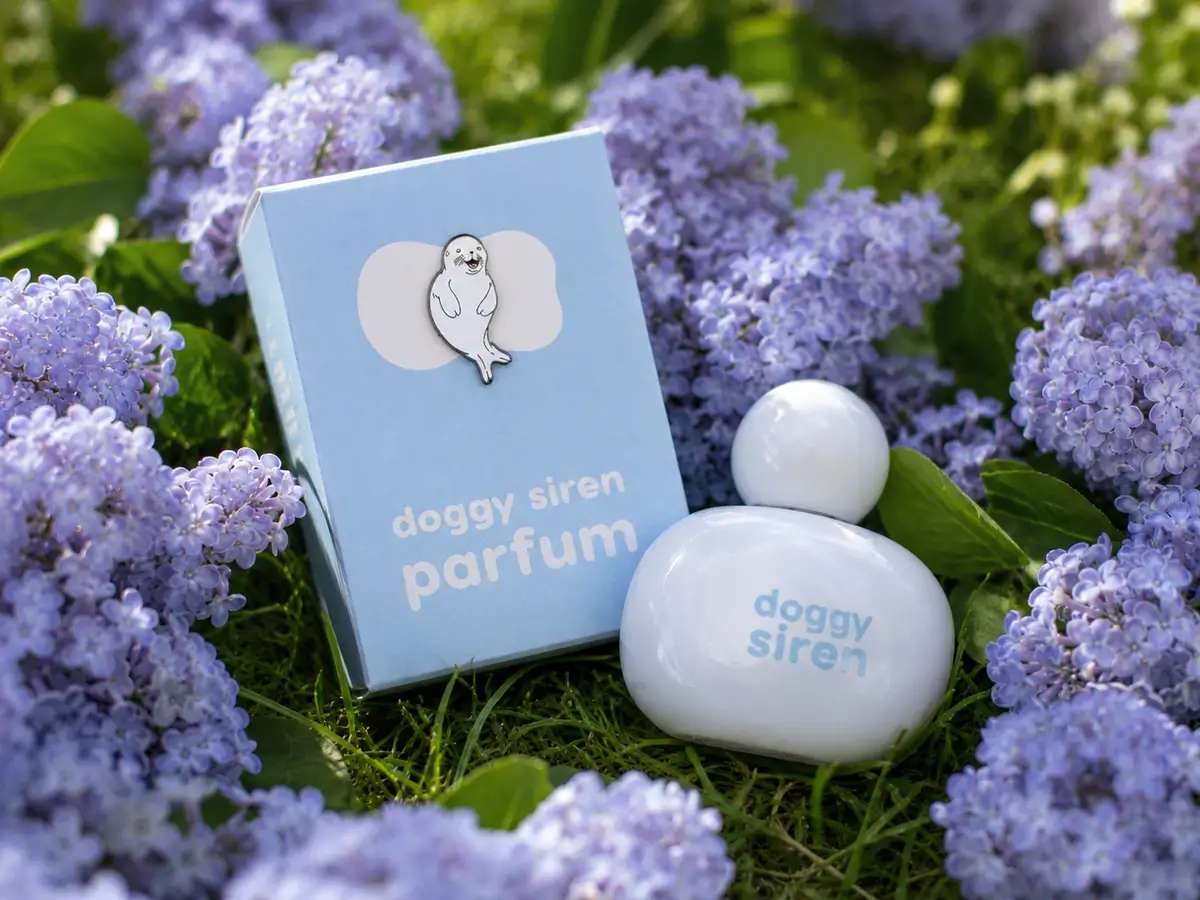
Doggy Siren was created as a scent focused on a single impression: May lilac in full bloom. It's not a variation on a large bouquet or a composition where the lilac note appears only briefly among other accords. Here, lilac remains at the center—from the first contact with the skin to the later, calmer dry-down.
This is a lilac perfume for people who want to feel this note as clearly as possible, without shifting it towards heavy sweetness, citrus sharpness, or a powdery background. Doggy Siren smells fresh and floral but maintains its softness at the same time. It doesn't pretend to be a garden full of various flowers. It's more like a single bush you pass on a warm day, and suddenly everything becomes a bit more like May for a moment.
The fragrance pyramid here is very clear: May lilac appears in the top, heart, and base notes. Because of this, its composition doesn't abruptly change direction. It doesn't start with citrus only to transition into vanilla, musk, or sandalwood after a while. It stays on its theme, allowing you to see how the lilac scent settles on your own skin.
Doggy Siren is a perfume extract with a 30% concentration. In terms of classification, we're talking about a parfum/extrait de parfum formula. Such a concentration allows for extracting more depth from the composition and fully showcasing the floral character of lilac without stripping it of its freshness, lightness, and delicacy.
This isn't a scent only for special occasions or just for evening outings. It finds its place most beautifully where its lightness fits: spring days, bright mornings, summer, a walk, an ordinary moment for yourself. It can be an excellent choice for people who like floral perfumes but don't want the scent to speak too loudly. In Doggy Siren, lilac doesn't need a grand declaration. It's enough that it smells familiar.
Is the Scent of Lilac Long-Lasting?
The longevity of a lilac scent should be assessed with tenderness for the note itself. Lilac is not among the heavy, dense accords that stay on the skin like a shadow after a long evening. It doesn't have the same mass as patchouli, vanilla, musk, amber, or sandalwood. Its nature is different—more luminous, floral, slightly green, closer to air than to a velvety base.
That's why lilac perfumes may behave differently than compositions built on strong base notes. They don't always leave a very wide, sensual trail, but they can return to the nose subtly: with the movement of hair, a change in skin temperature, a touch of the wrist, or when the scent has had time to bond well with your own skin. It's a less theatrical, more personal presence.
How long a scent lasts on the skin is also influenced by the application method and the condition of the skin. Well-moisturized skin usually accepts a composition better than dry skin, which can 'release' the aroma faster. Temperature, the season, and whether we wear the perfume close to the body or also apply it to hair or clothes also matter. If you like to build a scent in layers, you can start even before applying the perfume—with body care.
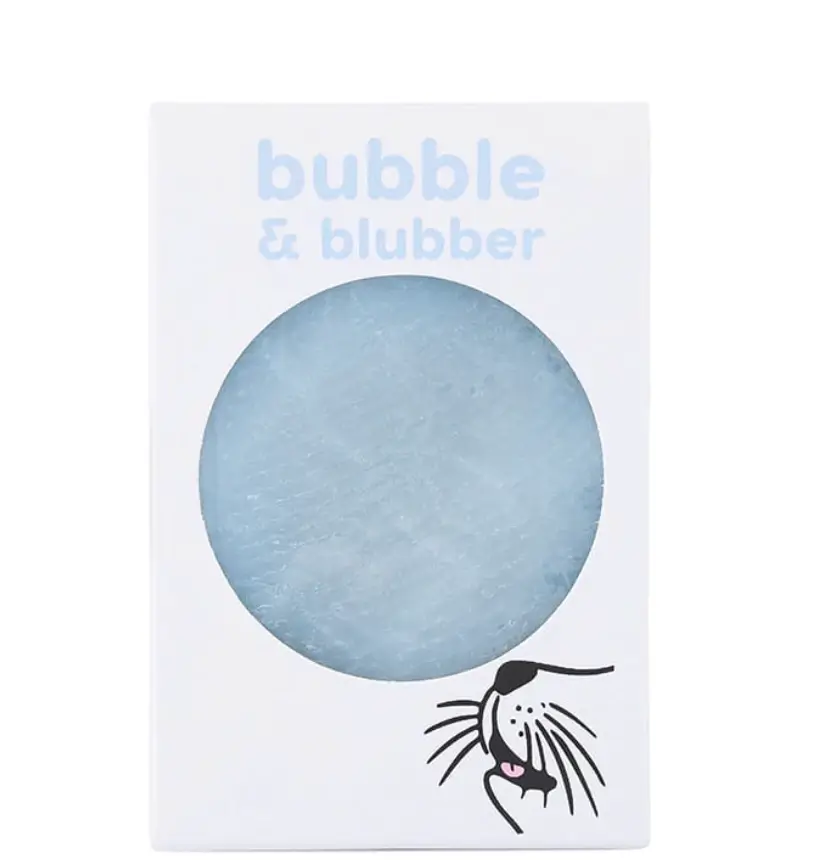
Scent layering can begin in the shower. The Doggy Siren line also includes Bubble and Blubber lilac-scented body soap — a creamy bar that creates a delicate lather during washing and leaves an initial, subtle lilac background on the skin. This isn't the main layer of the scent yet, rather a quiet start to the whole ritual: clean skin, soft foam, and a lilac aroma that appears before you reach for a lotion or perfume.
To complete the ritual, you can use Blubber Fluffer fluffy body lotion with a lilac scent, which creates a soft, fragrant backdrop for the perfume on the skin. Its light, fluffy texture absorbs quickly and doesn't leave a greasy film, so it can work as the next step in scent layering. It's not about covering the scent with another layer, but about building a cohesive lilac ritual—from the softness of the skin to the final floral accent on the wrists.
In the case of lilac, it's not about expecting the weight of amber or the long, woody dry-down of sandalwood. Rather, it's about preserving its character: freshness, lightness, and floral softness.
Who Is Lilac Perfume For?
Lilac perfumes are for people who like floral notes but don't always find themselves in classic, rich bouquets. If rose is sometimes too elegant, jasmine too sensual, and vanilla too sweet, lilac may turn out to be a scent closer to everyday life—fresh, recognizable, and soft without an excess of embellishments.
It's an excellent choice for those who value classics but don't necessarily want to smell like a traditional eau de parfum from a shelf full of grand floral compositions. Lilac has something familiar about it, yet it's less obvious than rose or violet. It doesn't try to pretend to be a 'grand entrance' scent. It's more like a private signature—one best understood by the person wearing it.
It will suit people of all ages because its strength doesn't come from a trend or a specific clothing style. For one person, it will be the scent of May mornings; for another, a memory of a garden; and for someone else, simply a light, floral composition for days when they want to smell fresh and natural. It's also an ideal scent for those who are just learning to recognize their own preferences. Lilac is clear, so it's easy to check if this type of floral freshness settles well on the skin. It doesn't require knowledge of a perfumery dictionary. A first impression is enough—and that brief thought that sometimes appears after application: yes, this smells familiar.
What to Layer Lilac With? A Few Ideas for Subtle Layering
Lilac is characteristic enough that it doesn't need many additions, but it can find itself beautifully in layering. However, it's worth treating it gently—not as a note that must be strengthened at all costs, but as a floral accent that can be given a background. It's best to start with simple combinations and test them on your own skin, because it ultimately decides if the composition settles harmoniously.
If you want to emphasize the freshness of lilac, light green notes, green tea, bergamot, or delicate citrus will work well. They won't turn the scent into a typical citrus perfume, but they can add air and the feeling of a cooler morning. This direction is good for spring days and summer—whenever the scent should be bright, fresh, and close to the skin.
A softer effect will be provided by musk, vanilla, or a touch of heliotrope. These notes shouldn't dominate the lilac, but they can round out its floral character and make the whole more creamy. This is a good choice for people who like floral perfumes but look for a bit of warmth in them instead of a distinct green freshness.
If you want to give lilac elegance, you can pair it with rose, violet, or a very subtle note of sandalwood. Rose will introduce a more classic tone, violet a slightly powdery finish, and sandalwood a calmer, woody background. You just have to be careful that heavier ingredients—patchouli, amber, or oakmoss—don't mask what is quietest and most fragile in lilac.
An interesting contrast can also be provided by pink pepper or peach, but moderation is especially important here. Pink pepper will add a slight sparkle to the composition, and peach can shift it towards a softness lined with fruity notes. However, just a bit too much and the lilac note will fade into the background. Layering with lilac is best treated as adding a small footnote to a scent, rather than rewriting the whole story.
Lilac Solo or in Layers?
Doggy Siren can be worn solo if you want to stay with pure May lilac—without additions, close to the memory of flowers leaning over a fence. But lilac is also a grateful note for layering because it responds well to the company of other mono-perfumes. It doesn't disappear under them; it simply changes scenery.
An interesting combination is Doggy Siren with Tangy Tankie, which is the rhubarb-scented perfume available from Söppö. Rhubarb brings a tart, juicy, and slightly sweet-sour contour, making the lilac begin to create the illusion of a flower tempered by gooseberry. It's still a May, floral direction, but with a fruity spark and a note of early spring—like the moment when a garden is just waking up after winter and the scent of lilac meets something greener, more sour, and fresher.
With jasmine, lilac becomes more bouquet-like. Doggy Siren and Flutter Butter together create the impression of fresh flowers gathered in a single bundle—jasmine adds depth and creamy sensuality, while lilac leaves its green, spring lightness in the composition.
A Short Story from the Author – On the Lilac That Had to Be Built from Memory
Lilac was one of those scents where we knew from the beginning it wasn't just about the flower. If it were only about a nice aroma, we could have created another floral perfume—correct, pleasant, elegant. But lilac has something more direct about it. It doesn't ask if you like floral notes. It simply appears in your mind as a specific image.
For one person, it's grandma's garden. For another, the staircase where a huge bush grew. For someone else—the walk home from school, the first warm evening, a bright sky, and that moment when you truly felt winter was finally gone. We wanted Doggy Siren to have that immediacy. Not a perfumery story about lilac, but the feeling of standing next to a blooming bush for a moment.
The biggest challenge was that lilac doesn't let itself be easily captured in a bottle in a literal way. It had to be built so that it remained recognizable but didn't become flat. To smell fresh, but not soapy. Floral, but not heavy. Nostalgic, but not old-fashioned. So that people who know the scent of lilac from their own lives could feel something of their own in it.
At Söppö, we often return to the idea that we don't create perfumes to tell only our story. We create them so that someone else can tell theirs. For us, Doggy Siren is exactly such a scent—a small May shortcut to personal images that don't need explaining to anyone. One spray is enough, and everyone adds the rest in their own way.
FAQ – Frequently Asked Questions about Lilac Perfumes
Does natural lilac essential oil exist?
In practice, the scent of lilac in perfumes usually doesn't come from a classic essential oil extracted from the flowers. Lilac is one of those plants whose aroma is very difficult to translate into a stable, useful perfumery raw material. Therefore, an 'accord' of lilac is usually created in perfumes—a fragrance composition that recreates its scent.
What do lilac perfumes smell like?
Lilac perfumes smell fresh, floral, slightly green, and soft. They aren't as creamy as jasmine or as classic as rose. They have a more May-like, luminous character—reminiscent of blooming bushes, warm air, and the first days of spring turning into summer.
Are lilac perfumes long-lasting?
A higher concentration can favor a fuller resonance of the composition, but the perception of longevity always depends on the skin, the application method, and wearing conditions.
Is the lilac scent only suitable for spring?
No. Lilac is most strongly associated with May and spring days, but it can also be worn in summer or whenever you feel like having fresh, floral notes. It's a seasonal scent in terms of associations, but it doesn't have to be seasonal in terms of wear.
How does Doggy Siren differ from classic floral perfumes?
Doggy Siren focuses on a single note—lilac. It's not a complex bouquet where lilac appears alongside rose, jasmine, ylang-ylang, fruity notes, musk, or vanilla. It's a clearer composition for people who want to feel the specific scent of lilac rather than a broad floral story.
Can lilac perfumes be combined with other scents?
Yes, but it's best to do it gently. Lilac pairs well with light citrus, green tea, musk, vanilla, rose, violet, or subtle sandalwood. With stronger notes like patchouli, amber, or oakmoss, it's worth being moderate so as not to overpower the floral aroma of the lilac.