

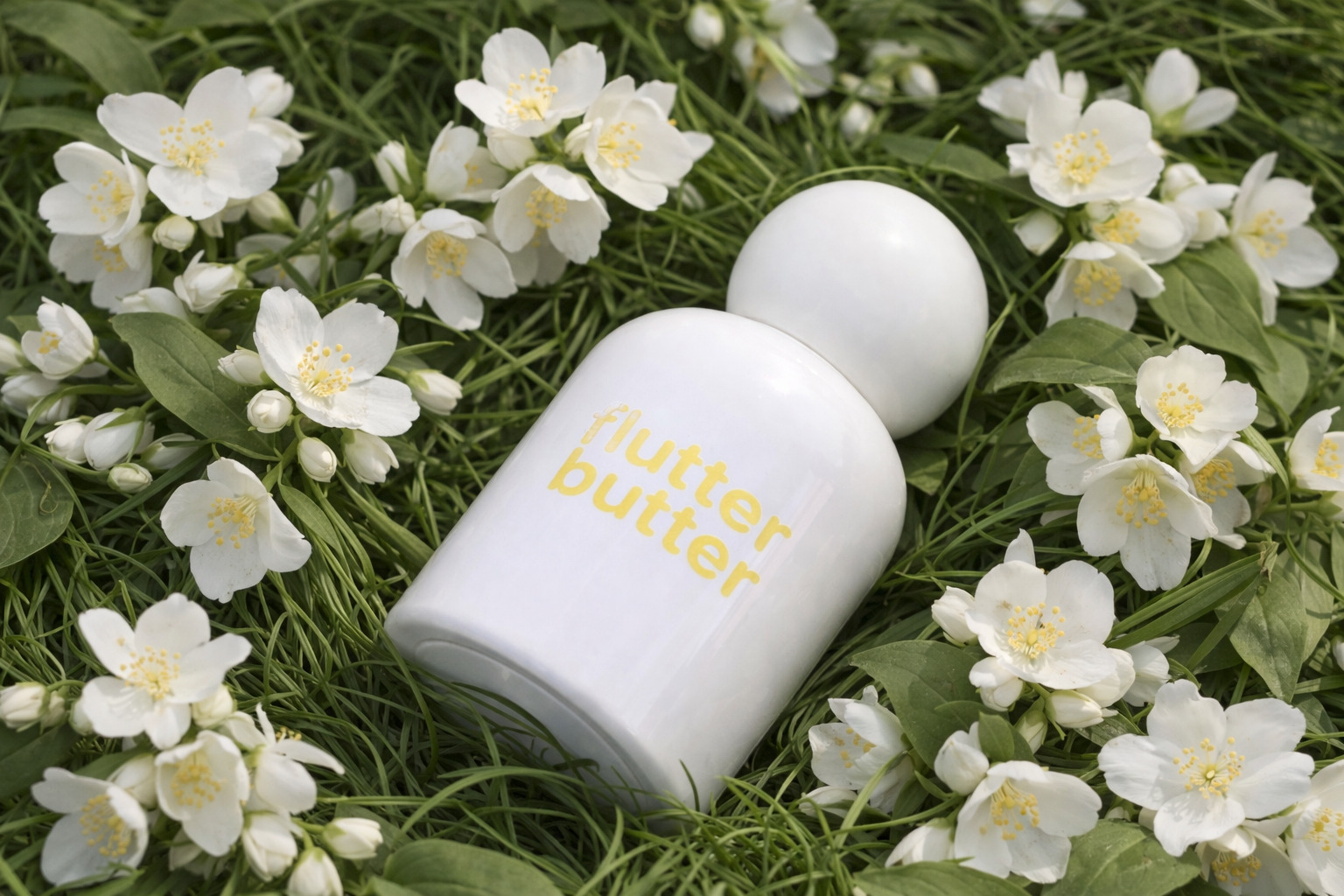
Jasmine that awakens after dark
There are flowers that smell most beautiful in full sun. And there are those that wait for the silence. Jasmine does not rush its story. Its scent does not explode at noon, nor does it compete with the hot air or the intensity of the day. It awakens when the world slows down – when conversations become quieter, the light softens, and the skin begins to absorb the night.
In the garden after dark, the scent of jasmine thickens. It becomes more perceptible, more present. This is not an intrusive intensity, but something subtler – like a whisper that you hear more clearly when everything around you falls silent. This natural trait of the plant has made jasmine recognized as one of the most magnetic fragrance notes in the perfume world for years.
Luminous yet mysterious. Floral, yet far from banal sweetness. On one hand, it carries the freshness and lightness of white petals; on the other – a sensuality that can envelop the skin for hours. It is this duality that makes jasmine perfumes so well-suited for evening compositions. They do not shout. They do not dominate the space. They build an aura.
At Söppö, we look at jasmine as a scent that needs no decoration. All it needs is the night, the warmth of the skin, and a moment of mindfulness. That is when it truly begins to "resonate."
Grandiflorum Jasmine and Jasmine Sambac
Although we simply say "jasmine," in perfumery this flower has several faces. Two of them are particularly valued: grandiflorum jasmine (Jasminum grandiflorum) and jasmine sambac. Each of them brings a slightly different shade of emotion to the fragrance composition.
Grandiflorum jasmine smells greener and fresher. It has a subtle, almost tea-like clarity that gives compositions a floral lightness. It is elegant, harmonious, and often used in classic, balanced perfumes.
Jasmine sambac is more creamy and sensual. Its aroma can be slightly sweet, denser, and closer to the body. It is this variety that more often creates the nocturnal, intimate character of a scent. In its structure, one can sense something almost velvety – like the warmth of the skin after sunset.
Extracting the scent of jasmine is a process that requires immense patience. The flowers are hand-picked, often at dawn before they have a chance to fully open. To obtain one kilogram of jasmine oil requires thousands, or even millions, of delicate flowers. This makes jasmine one of the most noble raw materials in the world of perfume.
In the past, the method of obtaining the aroma was through fat extraction (enfleurage) – petals were placed on a layer of fat, which slowly absorbed their scent. Today, modern solvent extraction is more commonly used, allowing the depth and multidimensionality of the aroma to be preserved.
This is precisely why the scent of jasmine is so complex. It is not a one-dimensional, simple accord. In one moment it may seem fresh and luminous, in the next – intense and almost sensual. It combines the delicacy of petals with the natural intensity of a plant that blooms at night.
And perhaps that is why it has remained one of the most recognizable scents in perfumery for decades – a flower that needs no exaggeration to be remembered.
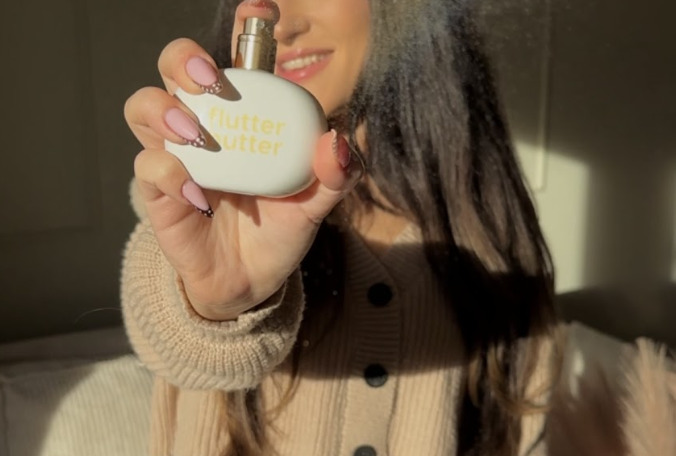
The Scent of Jasmine as a Heart Note
In the classic structure of perfume, we talk about three levels: head notes, heart notes, and base notes. It is the heart note that determines the character of the composition – it appears a moment after the first spray and accompanies the skin for a longer time. In the case of many floral fragrance compositions, it is the jasmine note that builds this central, most emotional point.
Head notes – such as bergamot, mandarin, or blackcurrant accords – open the scent with freshness and lightness. They are like the first light before sunset. However, it is the heart that sets the tone for the whole story. When the volatile molecules disappear, jasmine begins to resonate more fully, more warmly, more intimately.
It bridges the fresh beginning with a deeper base composed of cedar, sandalwood, amber, or vanilla. Thanks to this ability to harmonize different layers, jasmine has become one of the cornerstones in the world of perfume. Without it, many compositions would be just a fleeting flash – with it, they gain structure and emotional continuity.
What Does Jasmine Pair with Most Beautifully?
Jasmine has an extraordinary ability to adapt to the company of other fragrance notes. In classic floral compositions, it pairs with rose, magnolia, or freesia, creating a full, elegant bouquet of flowers. Such a floral scent is harmonious and luminous, but not overwhelming.
When paired with ylang-ylang, jasmine takes on a more exotic, creamy dimension. In a duo with neroli or orange blossom, on the other hand, it becomes fresh, almost radiant – like a garden at twilight when the air is still warm but already peaceful.
However, it reveals its most evening-oriented character in combination with woody notes. Cedar and sandalwood provide depth and balanced elegance. Vanilla and amber add softness and a subtle sweetness that envelops the skin instead of dominating it.
It is this ability to build a bridge between freshness and intensity that makes jasmine so perfect in perfumes intended for evening outings. It does not have to be loud to be present. It is enough that it is well-placed in the composition – then its scent develops slowly, layer by layer, like night in a garden.
Plant Biology – A Scent That Awakens at Night
Jasmine is one of those plants that naturally intensify their aroma after dark. In the warm, nocturnal air, its scent becomes fuller, more perceptible, almost dense. This is no coincidence – many varieties of jasmine attract pollinators at night, which is why they emit the most aromatic molecules then.
This biological feature gives the scent of jasmine something organically linked to the night. During the day it may seem subtle, but as skin temperature rises and the air becomes warmer and calmer, its intensity grows. In perfumes, this effect translates into a more distinct, enveloping resonance.
In the evening, jasmine does not fight for attention. It attracts it.
The Psychology of Scent – Intimacy and Sensuality
The perception of scent changes with the time of day. During the day, we are surrounded by hundreds of stimuli – light, sounds, conversations, movement. In the evening, everything slows down. Senses sharpen to details. What was previously background becomes clearer.
Jasmine fits perfectly into this space. It is sensual but not heavy. Intense, yet devoid of aggression. It builds an aura of closeness – one that is sensed only by those standing near. This is why jasmine perfumes are perfect for evening outings and special occasions, when the scent is meant to be part of the mood, not its center.
On cooler days, its warm, creamy side becomes more pronounced. In the heat, it spreads softly over the skin, creating an elegant scent with balanced projection.
Jasmine does not need sharp contrast. Its strength lies in the tension between light and shadow – between floral lightness and sensual depth. And that is why it "resonates" best when the light fades and the night begins.
Jasmine in Söppö's Interpretation – Flutter Butter
At Söppö, jasmine is not just an addition to the composition. It is its heart and its beginning. Flutter Butter is a perfume built around the scent of jasmine – without excessive decorations, without covering it with a heavy base. It is an attempt to capture the moment when the night is just beginning and the air becomes soft.
In this interpretation, jasmine is not overly sweet or excessively powdery. It retains its natural luminosity but develops in a more sensual direction when it touches the skin. The first impression is clean and floral. After a while, depth appears – warm, slightly creamy, close to the body.
Flutter Butter is a perfume extract with a 30% concentration, which means the scent develops slowly and has distinct longevity. It does not explode. It blooms. Like jasmine in a garden at night – it needs a moment to fully show its intensity.
In a world where many compositions are built from dozens of notes, this interpretation focuses on concentration. One note, one theme, one story. Thanks to this, the scent is clear but not banal. Linearity here does not mean flatness – it means consistency.
Evening Character
This is a perfume created with the dark in mind. During the day, it can be subtle, almost ethereal. However, as skin temperature rises and the senses quiet down, its scent gains depth. Jasmine becomes more present, more sensual.
Flutter Butter does not build a large projection. It stays closer to the skin. It creates an aura that is sensed in motion – when the air moves gently, when someone steps closer. It is an elegant scent without ostentation.
How to Wear Jasmine Perfumes?
The scent of jasmine does not need excess. A few thoughtful applications are enough for it to fully develop its character. Especially in the case of a perfume extract like Flutter Butter, less really is more.
Where to apply?
Best in places where the skin is warmer – on the wrists, the crooks of the elbows, at the base of the neck, or on the nape. Body heat helps the fragrance notes develop naturally. Throughout the evening, jasmine will gradually reveal its depth instead of showing all its intensity at once.
It's worth avoiding rubbing your wrists after application. Friction accelerates the evaporation of volatile molecules and can flatten the composition's development. It is better to let the scent "settle" and work at its own pace.
Jasmine Solo or in a Duo?
Jasmine perfumes can be worn on their own – especially if they are built around a single note, like Flutter Butter. Such a scent is cohesive and consistent from the first to the last moment.
However, if you like to experiment, jasmine pairs well in layering. It can be combined with a subtle base of woody notes like cedar or sandalwood to emphasize its evening character. During the day, a light layer of fresh citrus – bergamot or mandarin – will add more air to the scent as an interesting contrast.
An interesting direction is also combining jasmine with linden. This is a floral combination, but set in a natural, "woody" aura – it smells not so much of the flower itself, but of the whole tree in full bloom. Linden brings softness and honeyed lightness, jasmine adds sensuality, and the whole creates a very harmonious, non-obvious duo on the borderline of flowers and nature.
Jasmine also pairs surprisingly well with non-obvious notes such as bubblegum. In such a duo, the sweetness becomes softer and more nostalgic, losing its literal, childish bluntness, and jasmine – while still feminine – takes on a more girlish, playful tone. The scent becomes carefree, light, and pleasantly reminiscent.
Floral combinations are also a natural direction. Jasmine and lilac-scented perfumes together create the effect of a fresh bouquet straight from the florist – romantic, sensual, and at the same time bright and luminous. This is a layering that gives a very harmonious result and works great both on its own and as a base for further floral experiments.
Jasmine mono-perfumes can also be combined with classic perfumes in which jasmine plays an important role – for example, with the iconic, bright floral compositions known from designer perfumeries. Such layering is not intended to replace the scent, but to bring out and emphasize a specific accord that already exists in it.
Good examples are scents where jasmine is one of the main pillars of the composition, such as Chanel Gabrielle, Dior J'adore, or Gucci Bloom. Adding a pure jasmine mono-perfume allows you to strengthen their luminous floral aspect, making the jasmine more perceptible, fresh, and airy without disturbing the character of the original composition.
Time of Day and Temperature
Jasmine reacts to heat. In higher temperatures, its aroma becomes more distinct, and the floral lightness turns into sensual softness. On cooler days, it takes on elegance and calm depth.
In daily use, it can be subtle, almost skin-deep. In the evening – especially during special occasions – it gains fullness. Not because it is louder. Because the environment allows it to be heard better.
Jasmine is a scent that doesn't need to dominate the space. It is enough that it harmonizes with your movement, skin temperature, and the mood of the moment.
Frequently Asked Questions
Grandiflorum jasmine is greener and more luminous, with a delicate, almost tea-like freshness. Jasmine sambac smells creamy and more intense – it can be slightly sweet, more sensual, and deeper. In perfumes, the choice of variety affects whether the composition will be more ethereal or more enveloping. Not always. The scent of jasmine has a naturally floral character, but its perception depends on the entire composition. In combination with vanilla or amber, it can become warmer and softer. When paired with bergamot or neroli, it will be fresher and more radiant. Jasmine itself can balance between freshness and sensuality. Jasmine works perfectly all year round, but it resonates particularly beautifully in spring and summer and during warm evening outings. On cooler days, its creamy side becomes more pronounced and elegant. It is a scent that reacts to skin temperature. In the perfume world, divisions are becoming less significant. Jasmine is a floral note, but its character can be both delicate and distinct. In Söppö's interpretation, we do not assign scents to gender – what's more important is how a given composition harmonizes with your skin and personality. Longevity depends on the concentration and construction of the perfume. In a high-concentration perfume extract – as in the case of Flutter Butter – the scent develops slowly and can accompany the skin for many hours. Jasmine, as a heart note, lasts longer than fresh head notes, and its soft presence can be felt even at the end of the day. Yes, if you like a floral scent with balanced projection. During the day, jasmine can be subtle and close to the skin. In the evening – especially during special occasions – it gains depth and becomes more sensual. It all depends on the amount of application and your mood.1. What is the difference between jasmine sambac and grandiflorum jasmine? ▼
2. Are jasmine perfumes sweet? ▼
3. What is the best season to choose jasmine perfumes? ▼
4. Is jasmine a scent only for women? ▼
5. How long does the jasmine note last? ▼
6. Are jasmine perfumes suitable for daily use? ▼
A Story from the Author
The first time I truly felt jasmine was in a garden that did not belong to me. It was late summer, a warm evening, and the conversations at the table were slowly fading. Someone opened the door to the terrace, and suddenly the air changed completely. The scent was soft, dense, almost tangible. It didn't dominate – it was just there.
I remember thinking then that this is what courage smells like. Quiet, calm, unforced. Not the kind that enters the room first, but the kind that stays when the light dims.
When we later worked on the jasmine interpretation at Söppö, I kept coming back to that moment. I wanted to capture in the bottle not just a floral scent, but also that silence between the notes. That moment of hesitation before the first step.
A jasmine garden at night does not need an audience. One person, the warmth of the skin, and a moment in which you allow the scent to bloom are enough.